Mount Cameroon National Park and GLOHA Support 35 Community Members with Sustainable Pig Farming Initiative
As we recently reported, studies conducted in the Mount Cameroon National Park (MCNP) revealed that this globally recognized biodiversity hotspot has lost a significant portion of its forest cover. The primary drivers of this degradation include agricultural encroachment, wild honey harvesting, and poaching—particularly the destructive practice of hunting with fire. If this trend continues, the ecological integrity of the park and its valuable forest resources face serious long‑term threats.
To safeguard the heritage of MCNP, the Park Service has intensified efforts under one of its three strategic pillars: promoting sustainable livelihood activities within surrounding communities. As part of this initiative, GLOHA, acting as a Local Support Organization (LSO), carried out sensitization campaigns targeting poachers, bush‑meat vendors, and repentant hunters. Through this engagement, potential beneficiaries were identified to be trained and supported in establishing integrated pig farming enterprises as alternative sources of income.
A total of 35 beneficiaries from four clusters have successfully completed a comprehensive two‑day training program on pig farming as a viable business. The training covered seven essential modules, including mindset transformation; pig housing, equipment, and animal care; establishment and management of a pig farm; feeding and ration formulation; healthcare and farm administration; reproductive cycle management; and bookkeeping and financial literacy.
With funding from the Program for the Sustainable Management of Natural Resources – South West Region (PSMNR‑SWR), the project will now move into its implementation phase. Each trained beneficiary will receive a wooden pig pen, four piglets (3 months old), basic farming tools and water storage drums, and six months of pig feed, after which beneficiaries assume full responsibility for their projects.
Project sustainability is ensured through continuous follow‑up and a “passing‑on‑the‑gift” system. Each beneficiary commits to supporting the next cohort by providing two piglets from their first production cycle. Additionally, all participants have signed a compliance note, pledging to uphold and support conservation practices within MCNP.
This integrated approach not only reduces pressure on the park’s natural resources but also empowers community members with dignified, sustainable livelihoods, thus strengthening both conservation outcomes and community resilience.
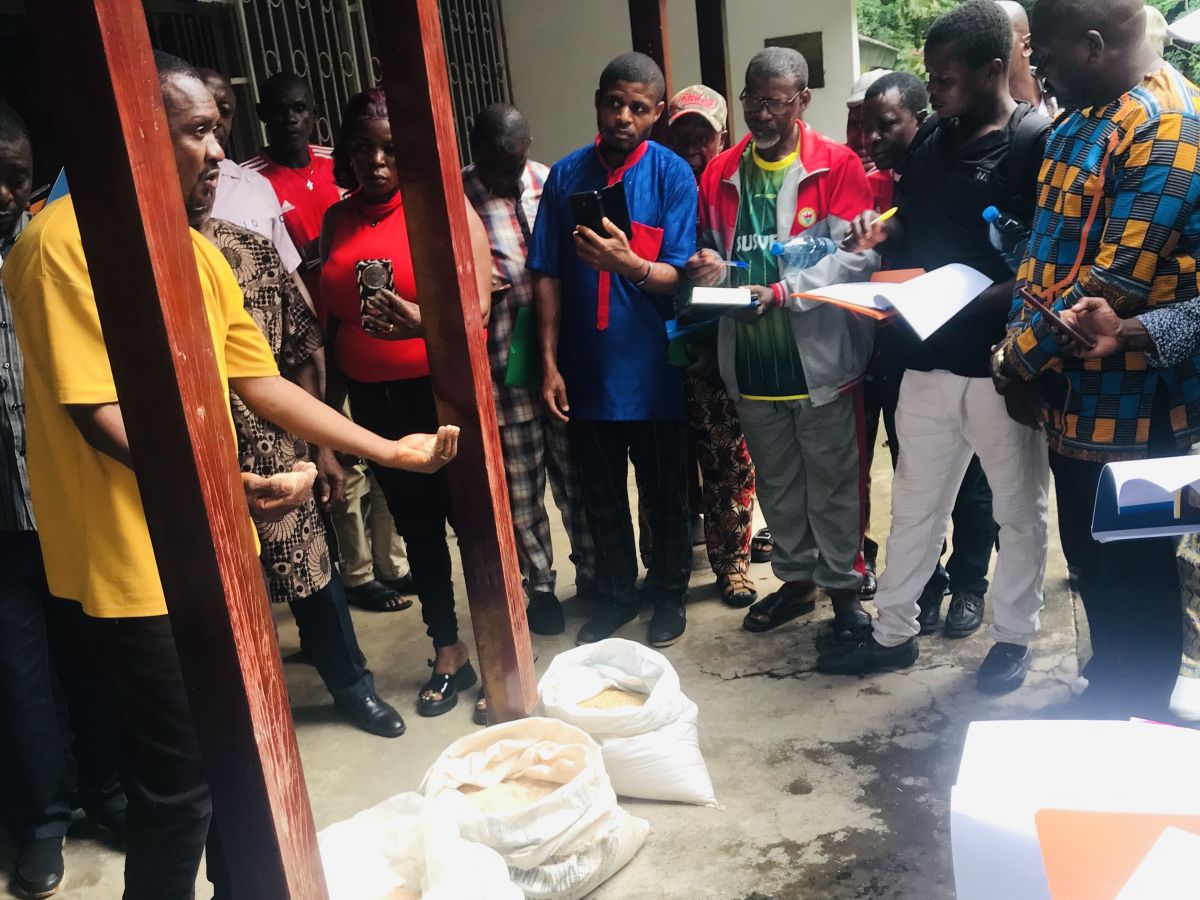
Group training session
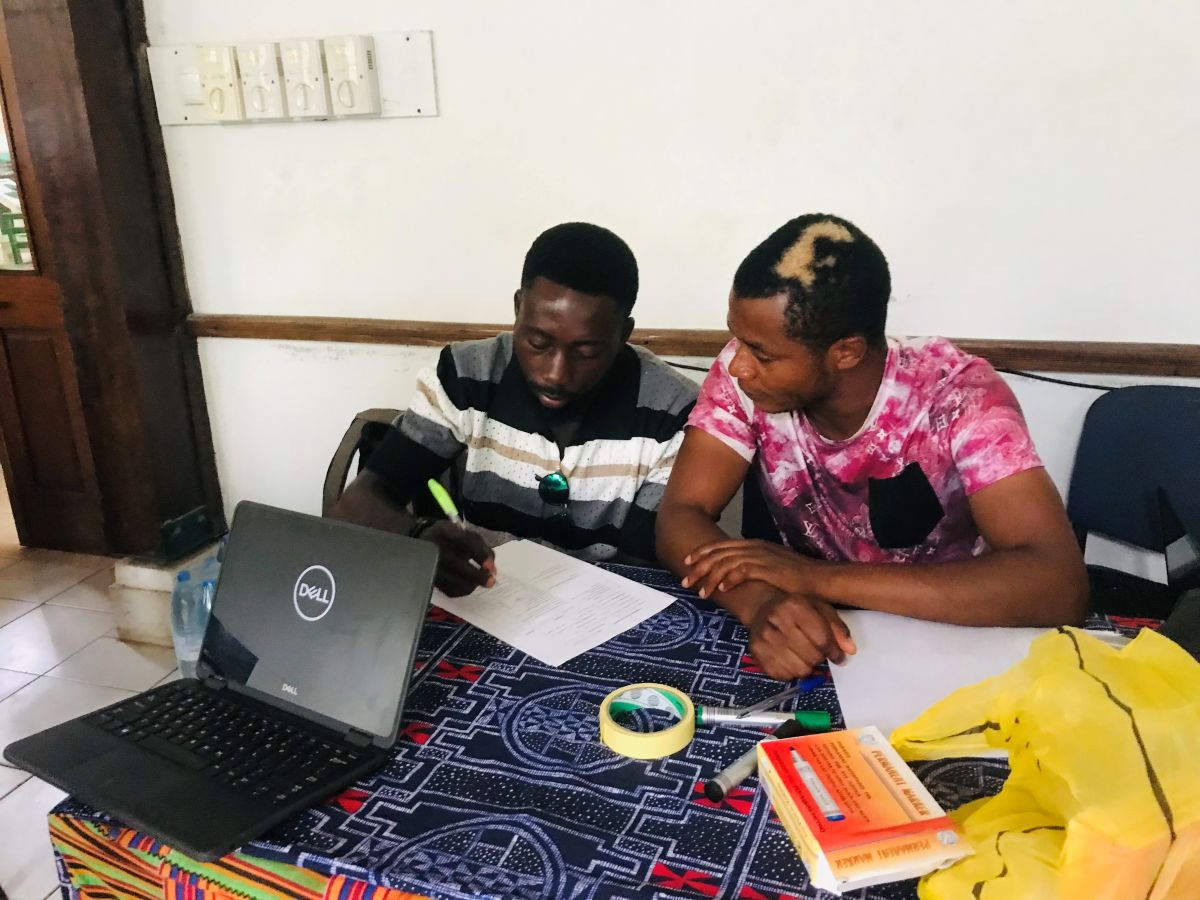
Collection of baseline information from the beneficiaries
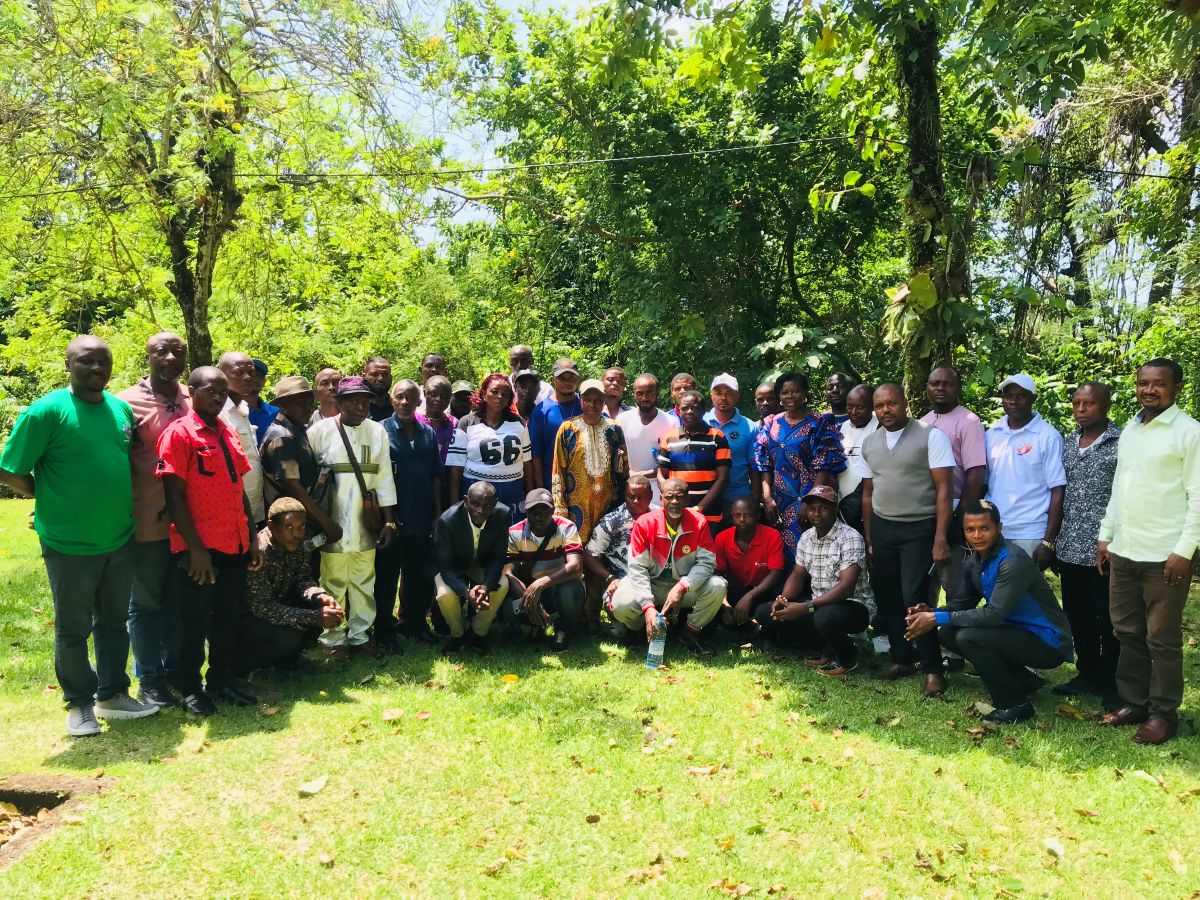
Workshop participants