Fako Mead was recently featured in an article and interview by Sarah Nduma Ewumbua in Cameroon Business Today (13-19 May 2026).  We reprint them here.
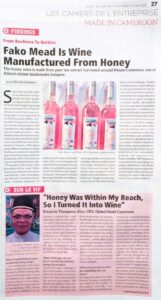
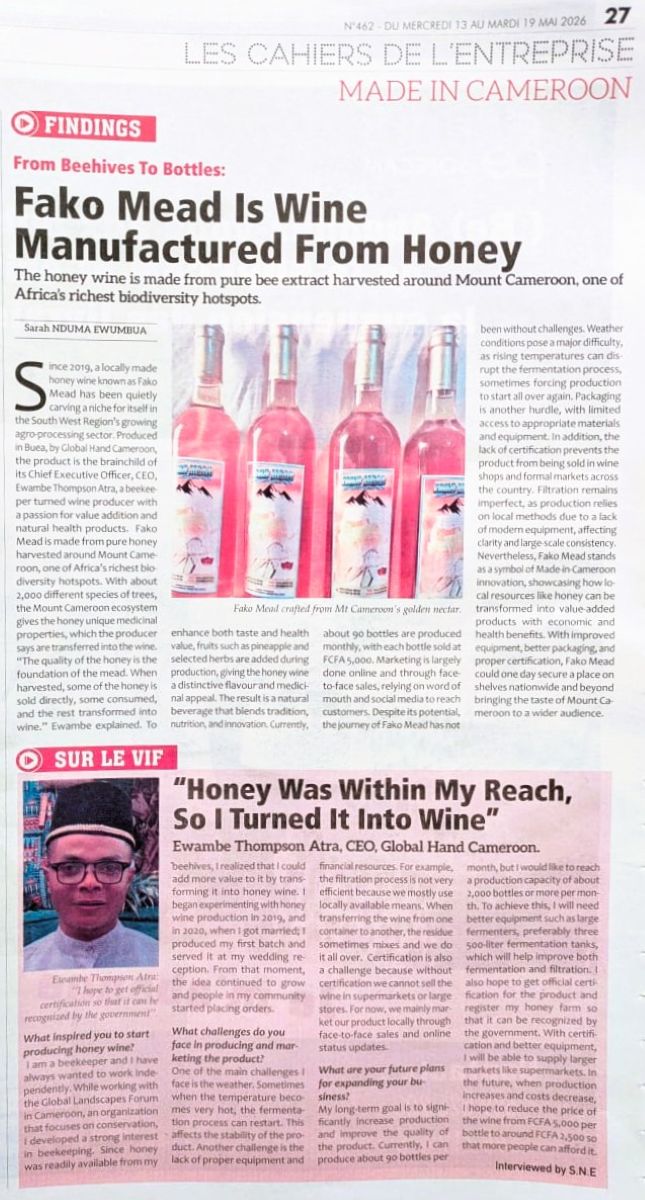
Photograph of page from Cameroon Business Today journal with article on Fako Mead.

From Beehives to Bottles: Fako Mead is Wine Manufactured from Honey

The honey wine is made from pure bee extract harvested around Mount Cameroon, one of Africa’s richest biodiversity hotspots.

Sarah Nduma Ewumbua, Cameroon Business Today, 13-19 May 2026

Since 2019, a locally made honey wine known as Fako Mead has been quietly carving a niche for itself in the South West Region’s growing agro-processing sector.  Produced in Buea by Global Hand Cameroon, the product is the brainchild of its Chief Executive Officer, CEO, Ewambe Thompson Atra, a beekeeper turned wine producer with a passion for value addition and natural health products.

Fako Mead is made from pure honey harvested around Mount Cameroon, one of Africa’s richest biodiversity hotspots.  With about 2,000 different species of trees, the Mount Cameroon ecosystem gives the honey unique medicinal properties, which the producer says are transferred into the wine.  “The quality of the honey is the foundation of the mead.  When harvested, some of the honey is sold directly, some consumed, and the rest transformed into wine,” Ewambe explained.  To enhance both taste and health value, fruits such as pineapple and selected herbs are added during production, giving the honey wine a distinctive flavour and medicinal appeal.  The result is a natural beverage that blends tradition, nutrition, and innovation.

Currently, about 90 bottles are produced monthly, with each bottle sold at FCFA 5,000.  Marketing is largely done online and through face-to-face sales, relying on word of mouth and social media to reach customers.

Despite its potential, the journey of Fako Mead has not been without challenges.  Weather conditions pose a major difficulty, as rising temperatures can disrupt the fermentation process, sometimes forcing production to start all over again.  Packaging is another hurdle, with limited access to appropriate materials and equipment.  In addition, the lack of certification prevents the product from being sold in wine shops and formal markets across the country.  Filtration remains imperfect, as production relies on local methods due to a lack of modern equipment, affecting clarity and large-scale consistency.

Nevertheless, Fako Mead stands as a symbol of Made-in-Cameroon innovation, showcasing how local resources like honey can be transformed into value-added products with economic and health benefits.  With improved equipment, better packaging, and proper certification, Fako Mead could one day secure a place on shelves nationwide and beyond bringing the taste of Mount Cameroon to a wider audience.
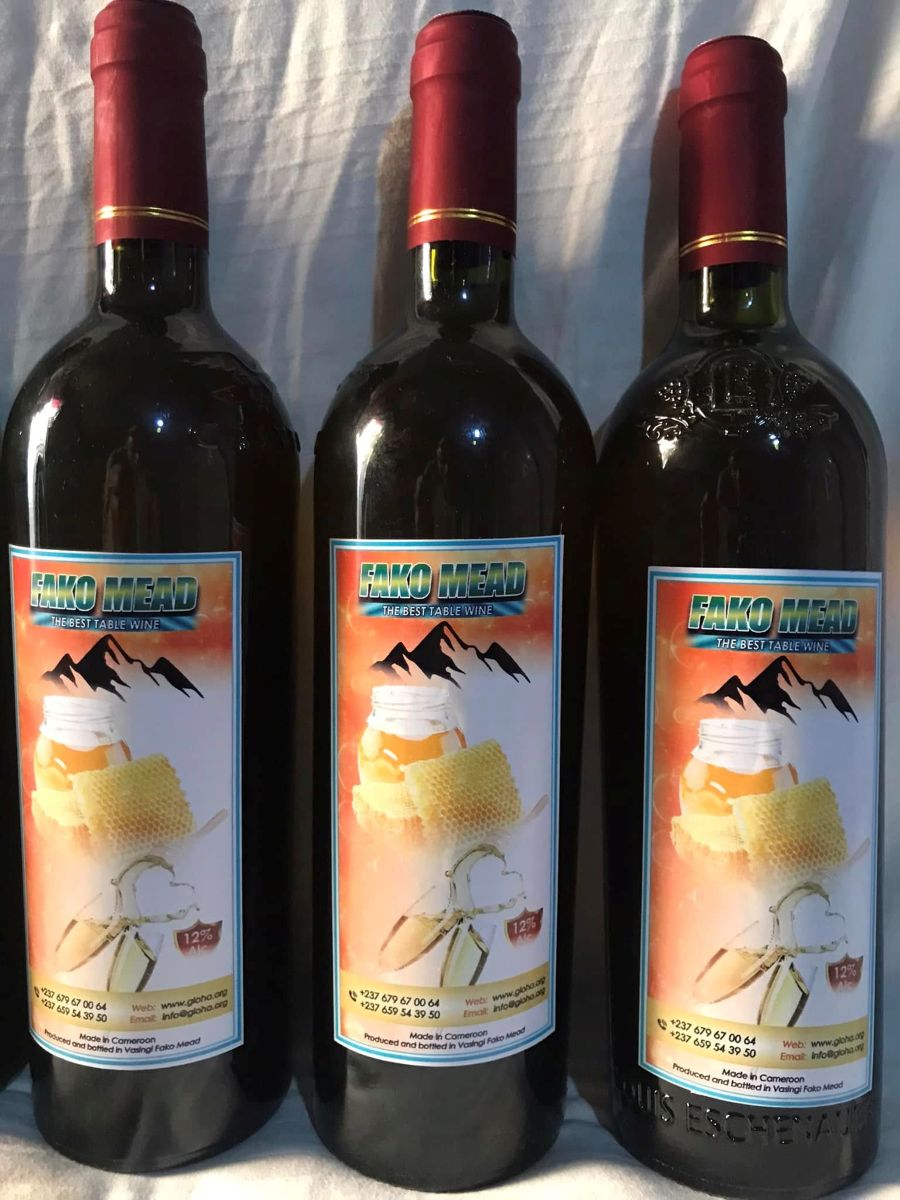
Image of three bottles of Fako Mead.On the Spot: “Honey was within My Reach, So I Turned It Into Wine”

Ewambe Thompson Atra, CEO, Global Hand Cameroon

Interviewed by Sarah Nduma Ewumbua, Cameroon Business Today, 13-19 May 2026

What inspired you to start producing honey wine?

I am a beekeeper and I have always wanted to work independently.  While working with the Global Landscapes Forum in Cameroon, an organization that focuses on conservation, I developed a strong interest in beekeeping.  Since honey was readily available from my beehives, I realized that I could add more value to it by transforming it into honey wine.  I began experimenting with honey wine production in 2019, and in 2020, when I got married, I produced my first batch and served it at my wedding reception.  From that moment, the idea continued to grow and people in my community started placing orders.

What challenges do you face in producing and marketing the product?

One of the main challenges I face is the weather.  Sometimes when the temperature becomes very hot, the fermentation process can restart.  This affects the stability of the product.  Another challenge is the lack of proper equipment and financial resources.  For example, the filtration process is not very efficient because we mostly use locally available means.  When transferring the wine from one container to another, the residue sometimes mixes and we do it all over.  Certification is also a challenge because without certification we cannot sell the wine in supermarkets or large stores.  For now, we mainly market our product locally through face-to-face sales and online status updates.

What are your future plans for expanding your business?

My long-term goal is to significantly increase production and improve the quality of the product.  Currently, I can produce about 90 bottles per month, but I would like to reach a production capacity of about 2,000 bottles or more per month.  To achieve this, I will need better equipment such as large fermenters, preferably three 500-liter fermentation tanks, which will help improve both fermentation and filtration.  I also hope to get official certification for the product and register my honey farm so that it can be recognized by the government.  With certification and better equipment, I will be able to supply larger markets like supermarkets.  In the future, when production increases and costs decrease, I hope to reduce the price of the wine from FCFA 5,000 per bottle to around FCFA 2,500 so that more people can afford it.
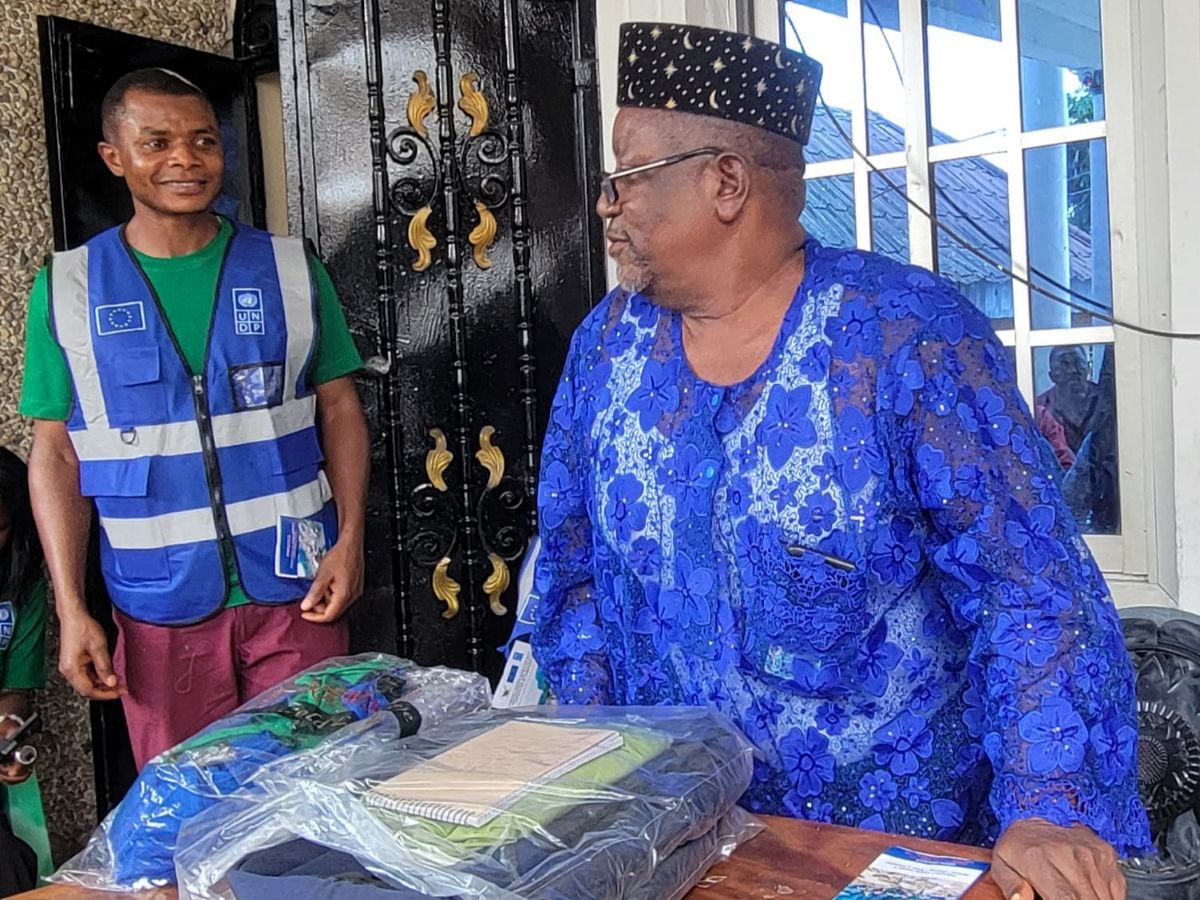
Image of a man standing next to a large blue barrel.
Rain harvesting tank on cocoa farm

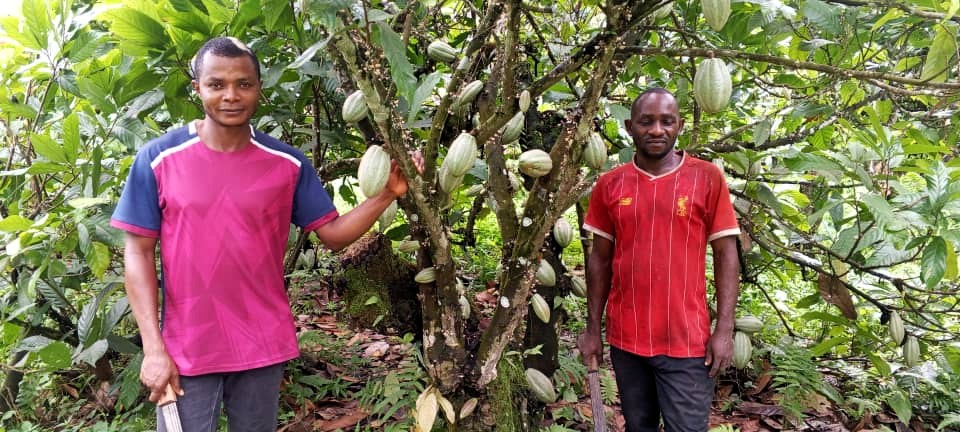
Global Hand Cameroon recently conducted an assessment of cocoa farms in Kuke Kumbu, a village near the northern border of Mount Cameroon National Park, as part of our effort to better understand the challenges faced by cocoa farmers and identify practical solutions for sustainable agricultural development.

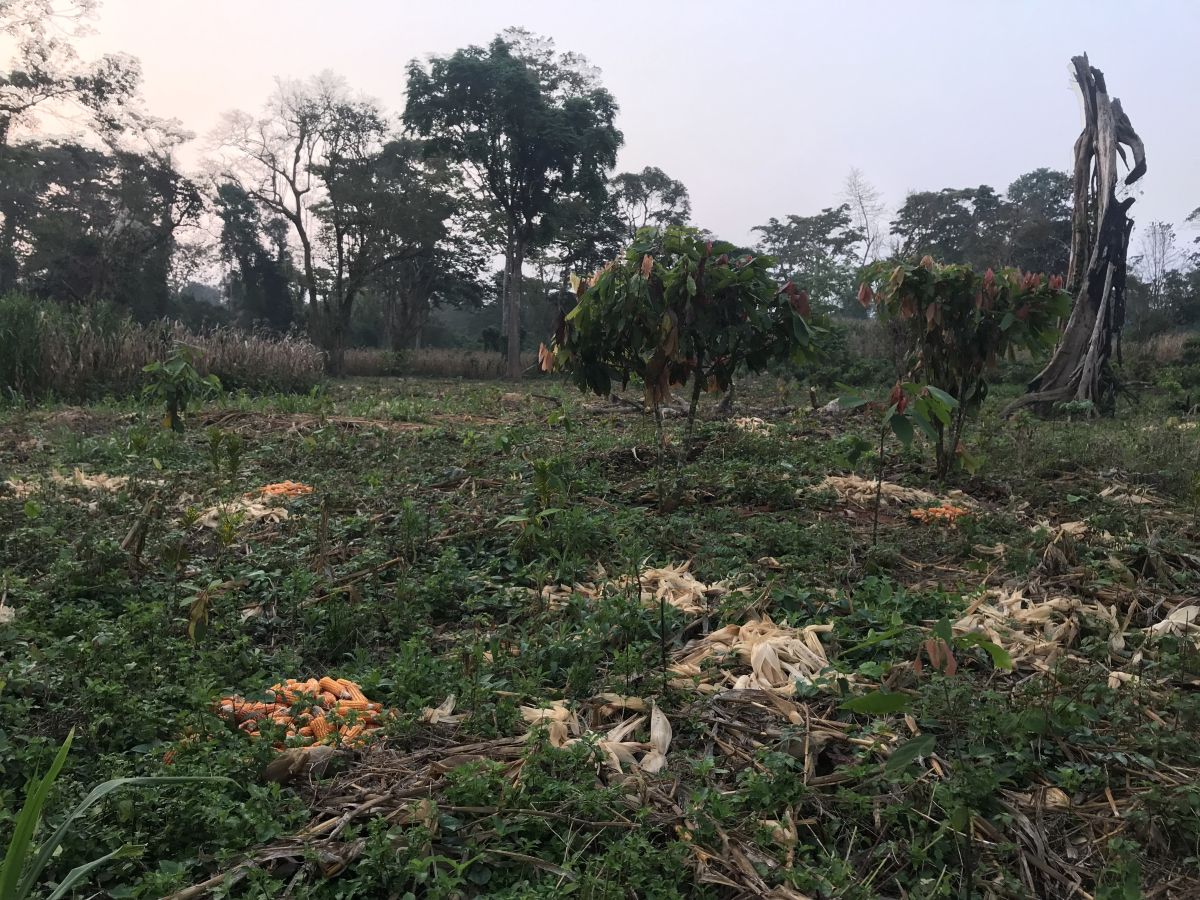
The assessment brought together farmers, agricultural facilitators, and community leaders to review plantation conditions and identify key constraints affecting yields. Findings showed widespread aging cocoa trees, declining productivity, and gaps in plantations caused by dead or unproductive trees. Farmers also cited limited access to improved techniques, inadequate planting materials, and the impact of climate‑related changes on crop performance.

To address these issues, Global Hand Cameroon plans to introduce capacity-building programs focused on smart agriculture techniques. These training sessions are expected to equip farmers with modern and sustainable farming methods, including proper pruning, soil fertility management, disease control, climate-smart cultivation practices, and efficient farm maintenance. We also plan to support farm rehabilitation by distributing improved cocoa seedlings to replace old trees and fill empty spaces within existing plantations.

Community members welcomed the initiative, saying it has great potential to revitalize cocoa production and encourage youth participation in agriculture. Global Hand Cameroon reaffirmed its commitment to promoting sustainable agriculture, improving food security, and strengthening rural livelihoods through direct engagement with farming communities.

Image of two men standing next to a tree with green cocoa pods.
Evambe Thompson with Kuke Kumbu cocoa farmer, Mutange Eric

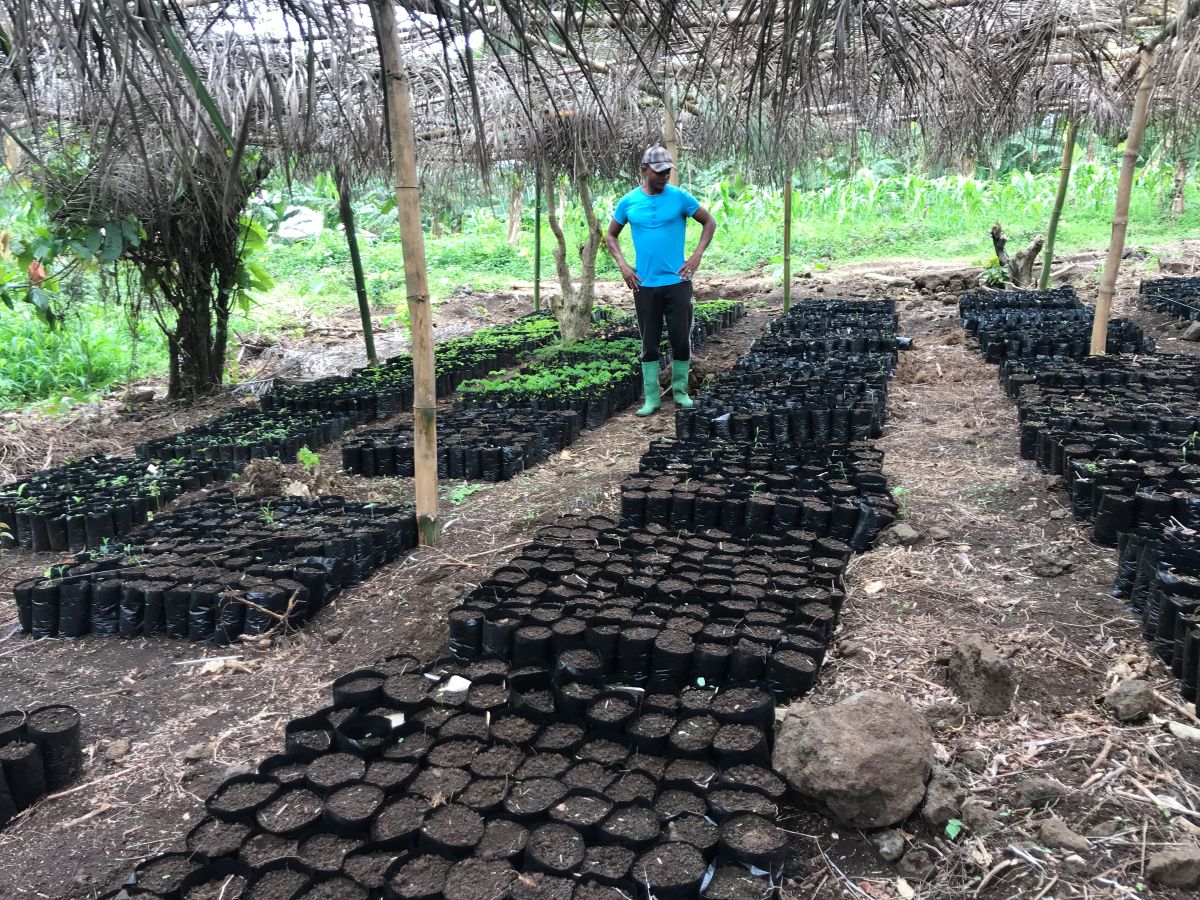
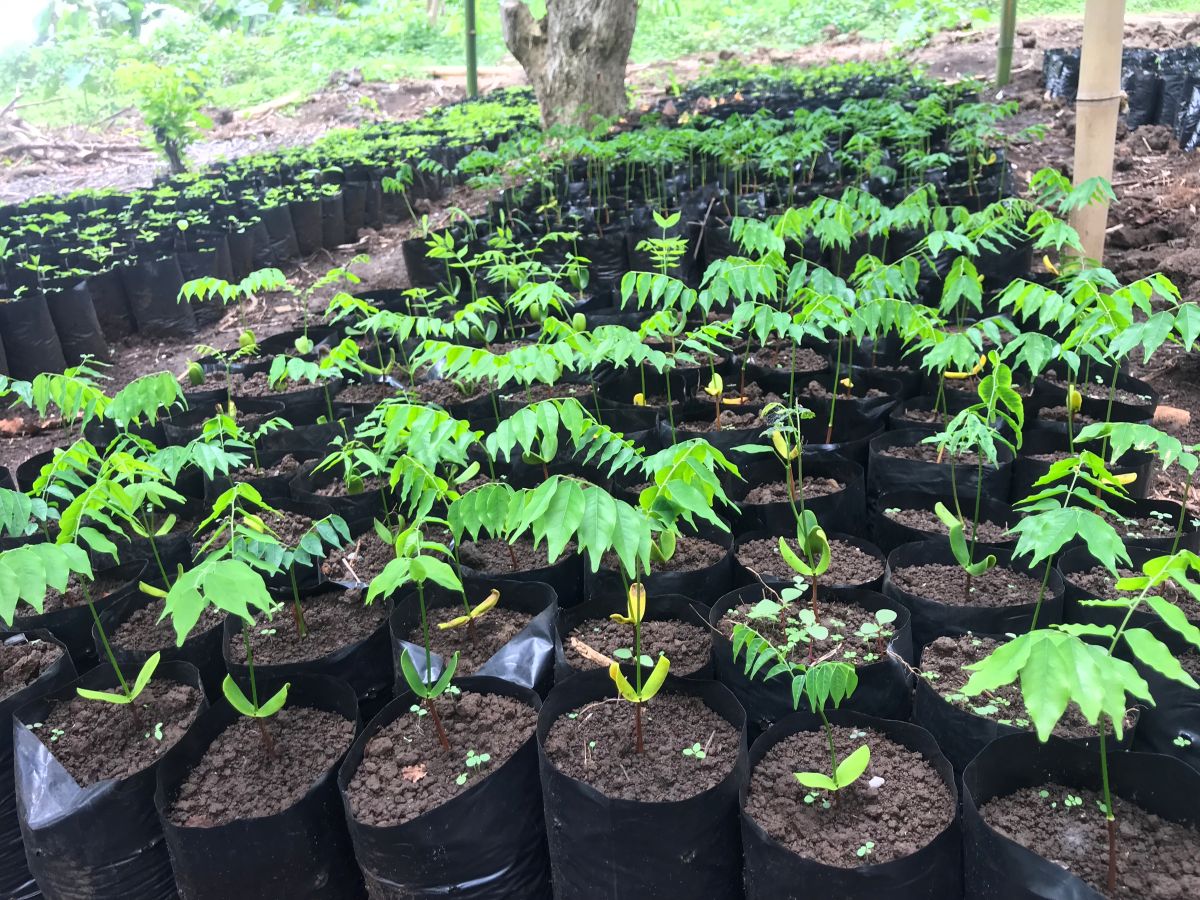
Community-based environmental restoration efforts received a major boost this week as Global Hand Cameroon announced the successful follow-up and operational strengthening of a satellite tree nursery in Kuke Kumbu village.  The nursery was established by Mount Cameroon National Park with funds from the Programme for the Sustainable Management of Natural Resources in the South West Region (PSMNR-SWR). With a production capacity of seven thousand seedlings, the nursery is expected to play a vital role in restoring degraded landscapes, rebuilding wildlife habitat, combating forest loss, and improving local livelihoods through the sale of seedlings.

Located in an area increasingly affected by deforestation, unsustainable farming practices and climate-related environmental degradation, the nursery is seen as a practical solution to promote ecological recovery while generating economic opportunities for residents. The seedlings will be distributed to farmers, conservation groups, schools, and local communities engaged in tree planting and land rehabilitation activities.

The initiative is expected to contribute significantly to reversing forest loss in the region by encouraging large-scale tree planting and promoting environmentally friendly land-use practices. Environmental experts note that restoring tree cover can help reduce soil erosion, improve water retention, enhance soil fertility, and provide habitats for wildlife species threatened by habitat destruction.

Beyond its environmental benefits, the nursery is also becoming an economic asset for the community, as local residents will generate income through the sale of seedlings to reforestation projects, farmers, and development organizations. Youths and women’s groups are among the key beneficiaries participating in the initiative.

During the follow-up visit, representatives of Global Hand Cameroon emphasized the importance of community ownership to ensure the long-term success of the project. Community leaders welcomed the project, expressing optimism that the nursery will encourage environmental stewardship while reducing poverty and unemployment.

The follow-up mission also reviewed seedling survival, infrastructure, water access, and participation, recommending stronger technical support and improved irrigation.

As Cameroon faces rising climate and deforestation challenges, the Kuke Kumbu nursery shows how local action can advance national restoration goals. Global Hand Cameroon hopes to introduce and expand similar projects in the area, reaffirming its commitment protecting ecosystems while improving the livelihoods of rural populations.

Mount Cameroon National Park and GLOHA Support 35 Community Members with Sustainable Pig Farming Initiative

As we recently reported, studies conducted in the Mount Cameroon National Park (MCNP) revealed that this globally recognized biodiversity hotspot has lost a significant portion of its forest cover. The primary drivers of this degradation include agricultural encroachment, wild honey harvesting, and poaching—particularly the destructive practice of hunting with fire. If this trend continues, the ecological integrity of the park and its valuable forest resources face serious long‑term threats.

To safeguard the heritage of MCNP, the Park Service has intensified efforts under one of its three strategic pillars: promoting sustainable livelihood activities within surrounding communities. As part of this initiative, GLOHA, acting as a Local Support Organization (LSO), carried out sensitization campaigns targeting poachers, bush‑meat vendors, and repentant hunters. Through this engagement, potential beneficiaries were identified to be trained and supported in establishing integrated pig farming enterprises as alternative sources of income.

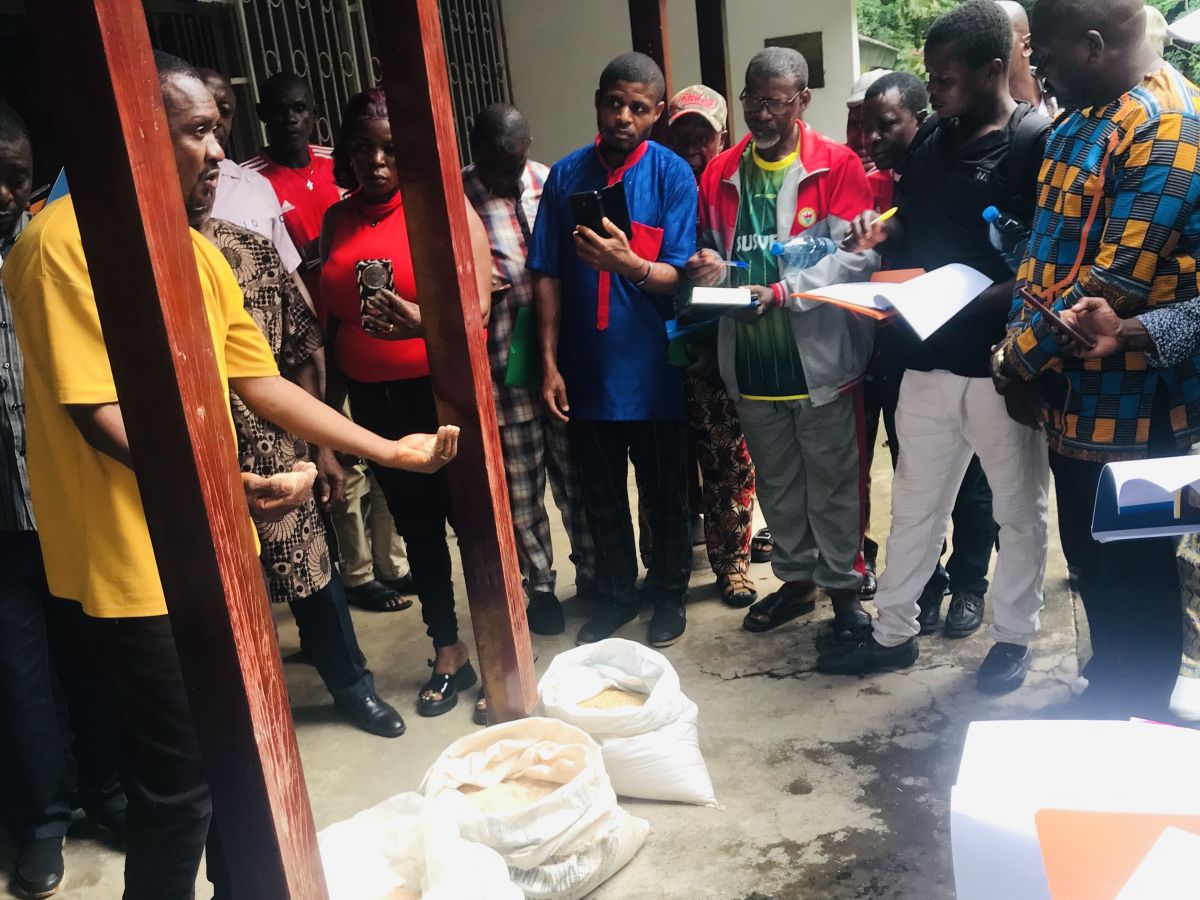
A total of 35 beneficiaries from four clusters have successfully completed a comprehensive two‑day training program on pig farming as a viable business. The training covered seven essential modules, including mindset transformation; pig housing, equipment, and animal care; establishment and management of a pig farm; feeding and ration formulation; healthcare and farm administration; reproductive cycle management; and bookkeeping and financial literacy.

With funding from the Program for the Sustainable Management of Natural Resources – South West Region (PSMNR‑SWR), the project will now move into its implementation phase. Each trained beneficiary will receive a wooden pig pen, four piglets (3 months old), basic farming tools and water storage drums, and six months of pig feed, after which beneficiaries assume full responsibility for their projects.

Project sustainability is ensured through continuous follow‑up and a “passing‑on‑the‑gift” system. Each beneficiary commits to supporting the next cohort by providing two piglets from their first production cycle. Additionally, all participants have signed a compliance note, pledging to uphold and support conservation practices within MCNP.

This integrated approach not only reduces pressure on the park’s natural resources but also empowers community members with dignified, sustainable livelihoods, thus strengthening both conservation outcomes and community resilience.

Agricultural Encroachment in Protected Areas (Mount Cameroon National Park)

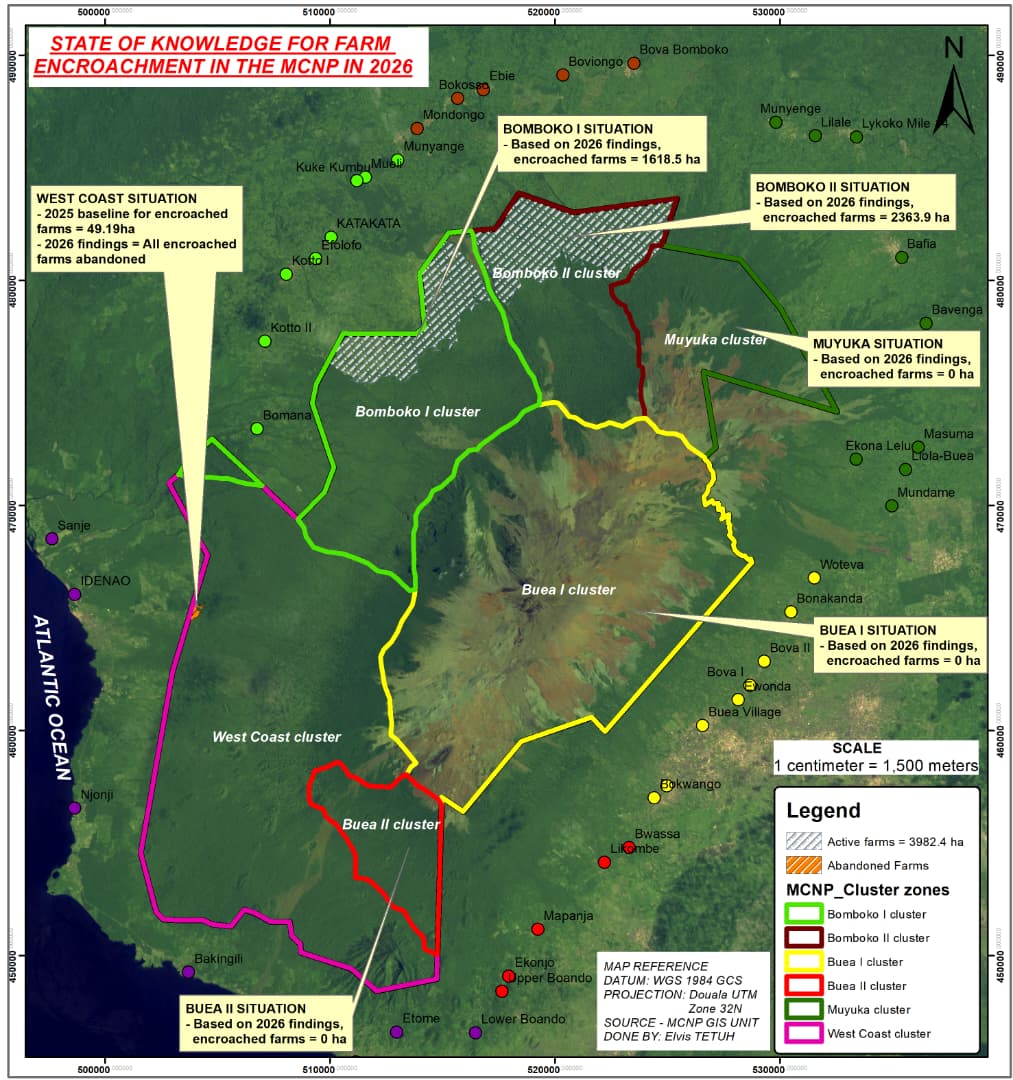
Following our 2026 survey on forest and land use around Mount Cameroon National Park, findings show that the park has lost an unprecedented number of hectares as a result of agricultural encroachment. Mount Cameroon National Park covers 58,178 hectares and is bordered by 41 communities, many of which rely heavily on forest resources.

Before the park was created in 2009, these communities managed the forest through traditional systems that recognized ancestral forests and respected cultural restrictions on certain plants and animals. This approach supported abundant natural resources for both residents and newcomers. However, the region’s hospitality has attracted a great many migrants from other parts of Cameroon and Nigeria, increasing population pressure around the park.

This growing and diverse population has significantly altered land use and the landscape along the park’s periphery. In some areas—particularly in the Bomboko communities—cultural and traditional values that once guided resource use are no longer widely observed, especially among visiting populations. As a result, forest exploitation practices have begun to shift in harmful ways.

The establishment of the park in 2009 was therefore essential to protect and sustain key forest resources. Local NGOs and Community-Based Organizations like Global Hand expanded sensitization efforts across the 41 surrounding communities. Conservation bonuses were introduced to reward communities that adopted best practices, helping to reinforce conservation norms.

Despite these efforts, forest use patterns changed drastically between 2017 and 2026. Forest exploitation increased sharply, with some communities expanding farms right up to the park boundary (there is no existing buffer zone), while others have established farms inside the park itself. Current estimates indicate that active farms now encroach on approximately 3,982 hectares of park land.

Overall, in less than a decade, roughly 6,000 hectares of forest cover—and the carbon sink it represents—have been lost.

The encroachment survey was successfully conducted by GLOHA under a collaborative agreement between the Ministry of Forestry and Wildlife (MINFOF) and the Programme for the Sustainable Management of Natural Resources in the South West Region (PSMNR-SWR). The exercise benefited from the technical guidance, institutional support, and cooperation of both partners, whose commitment to sustainable forest management and biodiversity conservation made the activity possible. Appreciation is also extended to local stakeholders, community representatives, and field personnel whose participation and contributions facilitated the effective implementation of the survey and the achievement of its objectives.

In response, through the collaborative agreement, the technical, financial and institutional support from MINFOF/MCNP and PSMNR-SWR, GLOHA intends to intensify sensitization efforts, support forest regeneration in the affected areas, and monitor forest conditions over the next five to six years.

Map of Mount Cameroon National Park, showing areas where farms have encroached into the park.
Farm Encroachment in Mount Cameroon National Park, 2026

Agroecological Experts Commend GLOHA’s Beekeeping Expansion Initiative

Global Hand Cameroon (GLOHA) was honored to receive Ms. Laura BIH and Mr. Cletus ZHU, agroecological experts from the Cameroon Government’s Food Security Project in the South West Region. Their visit aimed to assess the economic and ecological aspects of GLOHA’s beekeeping initiative, which aligns with the United Nation’s goals of enhancing community livelihoods, promoting environmental sustainability, and advancing climate change adaptation and mitigation strategies.

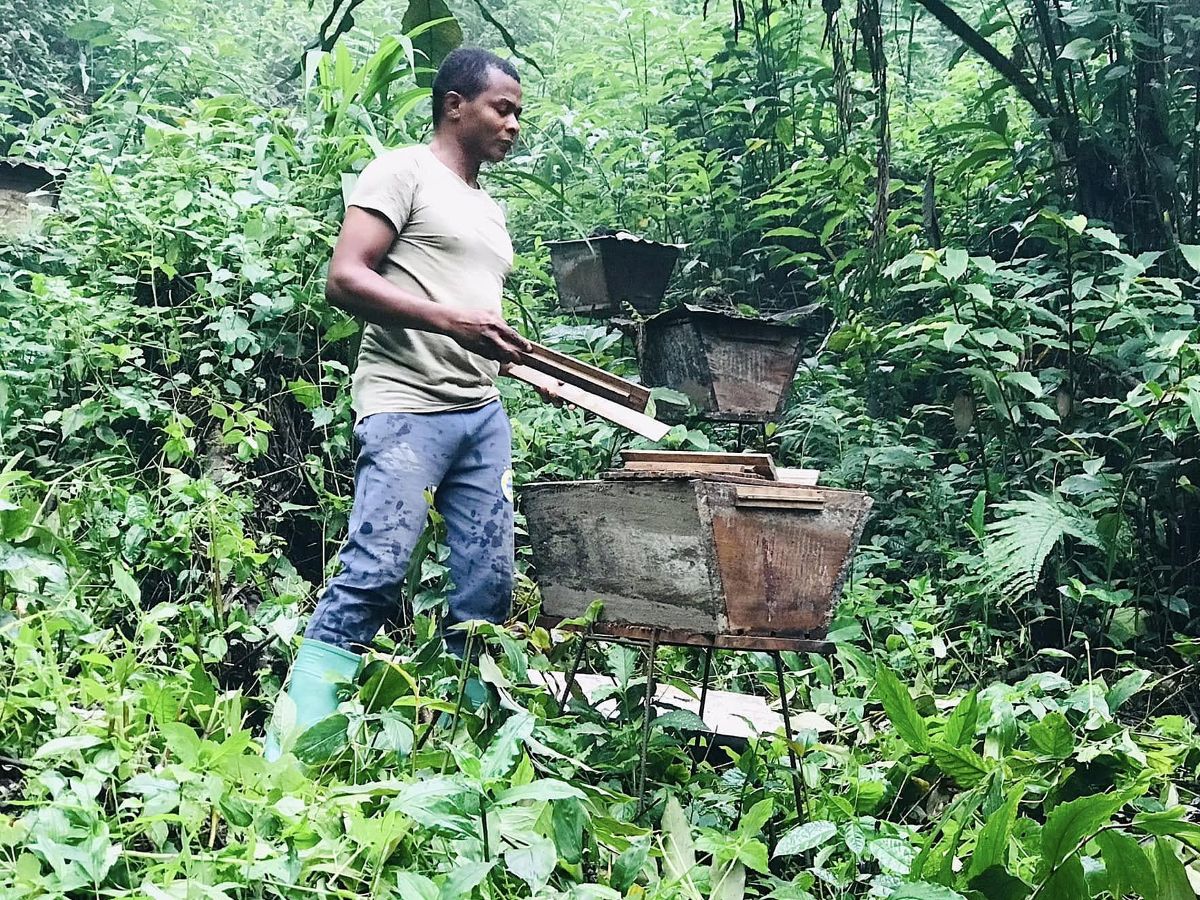
As part of our vision to expand the GLOHA apiary, we plan to acquire additional land and increase our beehive count by 125 Kenyan Top Bar Hives (KTBH). This expansion will boost our production capacity to over 1,500 liters of honey and related byproducts annually. But the apiary will be more than just a production site; it will also serve as a hands-on training facility for students and community members who desire to learn about modern beekeeping techniques.

In addition, the project will support youth employment. Over thirty young people will be engaged in transporting materials, maintaining the apiary, harvesting honey, and supporting marketing efforts, thus contributing to both economic empowerment and skills development.

During the field visit, Ms. BIH expressed satisfaction with GLOHA’s commitment to natural beekeeping practices, particularly our decision to avoid artificial feeding even during the rainy season. She encouraged us to scale up the processing and marketing of bee byproducts. Mr. ZHU recommended supplementing bee nutrition during the rainy season with organic waste such as spoiled fruit from vendors and corn residue from local brewers. He also emphasized the importance of planting more fruit trees and flowering plants to ensure a sustainable nectar flow.

Both experts praised the project’s design and its potential for success, especially with the planned increase in the number of beehives. Upon full implementation, the initiative is expected to enhance pollination services, increase bee populations, and strengthen ecosystem resilience. These outcomes will contribute significantly to long-term climate change mitigation and improved food security through higher agricultural yields.

Integrating Scientific Data and Traditional Knowledge

This report explores the growing threat of wildfires to protected areas and Indigenous or community-owned forests in Cameroon, with a focus on the Mount Cameroon area. Drawing on forest cover loss data from 2022 to 2025, we find that deforestation rates remain consistent but wildfire risks are rising, and especially in community-managed landscapes.

To address this escalating problem, it is essential that we end deforestation, strengthen land rights, and empower Indigenous leadership. These actions are critical if we are to protect the forests, the biodiversity, climate stability, and community livelihoods — including beekeeping, sustainable forest resource use, and agroforestry.

Wildfires are increasingly frequent and intense across Mount Cameroon’s savanna and forest zones, threatening ecosystems and the well-being of 41 forest-dependent communities surrounding Mount Cameroon National Park. Interestingly, Indigenous and community-managed lands exhibit some of the lowest rates of tree cover loss; however, they face growing wildfire threats driven by agricultural expansion, slash-and-burn practices, wild honey hunting and poaching — all of which have contributed to a dramatic increase in fire activity. Compounding the problem are climate change and historical fire suppression policies, which are fueling uncontrolled bushfires and endangering carbon-rich forests, biodiversity, and local communities.

These challenges underscore the critical importance of community leadership and secure land tenure in reducing fire risks and promoting ecological resilience.

GLOHA’s recommended actions for wildfire mitigation:

  • Promote conservation and agroforestry practices among local communities.
  • Secure and uphold Indigenous and community land rights (e.g., sacred forests) to strengthen forest stewardship.
  • Revive cultural burning traditions that safely reduce fuel loads and restore healthy fire regimes.
  • Fund, establish, and train Indigenous and community-led fire brigades to improve local preparedness, response and recovery.
  • Increase access to fire monitoring tools and early warning systems for timely detection and intervention.
  • Mitigate climate change by reducing greenhouse gas emissions.
  • End deforestation and land-clearing fires (slash-and-burn) to prevent escaped burns that fuel uncontrolled bushfires.

By combining scientific data with traditional ecological knowledge, these actions will provide evidence-based pathways to protect forests, combat climate change, and enhance community well-being.

The video below shows a bush fire in Mount Cameroon National Park

“When we talk about people whose activities lead to bush fire, we look at wild honey collectors, poachers and farmers. Thanks to the efforts of local organizations like GLOHA, we attempt to implement some fire management strategies but the vastness of the Mountain is making it difficult because while we are working at the windward side of the Mountain, fire comes from the leeward side or vice versa. Bush fire is detrimental to the ecosystem; it kills both micro and macro organisms, destroys habitat, and destroys the soil structure and quality.”  — National Park Official

Enhancing Ecosystem Services, Improving Community Wellbeing

Global Hand Cameroon has launched a new initiative to expand its very successful modern beekeeping program, and we are currently seeking additional funding to purchase a suitable plot of land on which we can add more Kenyan Top Bar Hives.  By expanding our apiary, we will be able to offer more hands-on educational programs for villagers and students, empowering the local economy and strengthening biodiversity and forest resilience.

Project Objectives
  • increase the size of our apiary
  • increase the number of beehives we are actively maintaining
  • increase the local bee population and improve on the ecosystem services
  • train students and local farmers on modern beekeeping methods (hive construction and colony management)
  • reduce poverty amongst low-income community members
  • provide a natural, healthy sweetener
Project Details

Global Hand Cameroon is currently evaluating the purchase of a small parcel of land just outside the town of Buea.  It is close to the forest cover as well as close to farms that have flowering food crops with high biodiversity and medicinal values, where bees can easily forage for nectar.  The land can be used for other agricultural activities such as growing beans and corn which aren’t a threat to beekeeping in case of heavy winds or during harvesting. These are also the best crops to integrate with beekeeping when considering the highly defensive nature of the African melifera bees.

We have 80 new Kenyan Top Bar Hives ready to install on the land; the honey will be processed using a modern honey press that was constructed locally.

Project Background

Honey hunting has had a long history in traditional forest life in Cameroon. However, because the traditional collection methods utilize fire, it is one of the leading causes of destructive bushfires. These uncontrolled bushfires have contributed to significant forest degradation and environmental decline, and bee populations and biodiversity in general have suffered greatly. Despite these serious issues, wild honey hunting and traditional beekeeping methods are still commonly practiced, especially amongst forest dependent communities.

Modern beekeeping methods, in contrast, do not involve the same fire risks and can actually enhance forest health and biodiversity by augmenting the bee population and increasing pollination. In addition, modern beekeeping can sustainably produce greater quantities of honey and can provide employment and greatly improve living standards for local villagers. In fact, modern beekeeping aligns with four of the United Nations Sustainable Development Goals (SDGs): poverty reduction (SDG 1), sustainable communities (SDG 11), responsible consumption and production (SDG 12), and climate action (SDG 13).

At its core, modern beekeeping is a powerful tool for both poverty alleviation and biodiversity protection at the grass roots level.

Recognizing this potential, GLOHA has established a research-based apiary that serves as a reference and training center for community members and students. Utilizing Kenyan Top Bar Hives, this program promotes modern beekeeping practices aimed at diversifying income sources through the sale of honey and other byproducts such as beeswax and propolis.

The initial successes of our program have spurred us to pursue additional avenues for expanding our apiary. With a larger apiary, we will have more opportunities to educate the local populace on modern beekeeping methods and to promote both ecological resilience and economic empowerment. It’s an exciting prospect.

For Further Information

If you are interested in learning more about this project or would like to help fund it, please reach out to us at info@gloha.org.  We are always happy to discuss our work and our aspirations.

To read more about the beekeeping activities of Mr. Evambe Thompson, founder and CEO of Global Hand Cameroon, please see this excellent article, published a few years ago in the George Washington University journal, Planet Forward.

Also, please watch the following short video, in which Mr. Evambe Thompson talks about the GLOHA apiary.

“Matriarch and Memories: save the mother and keep the group together”

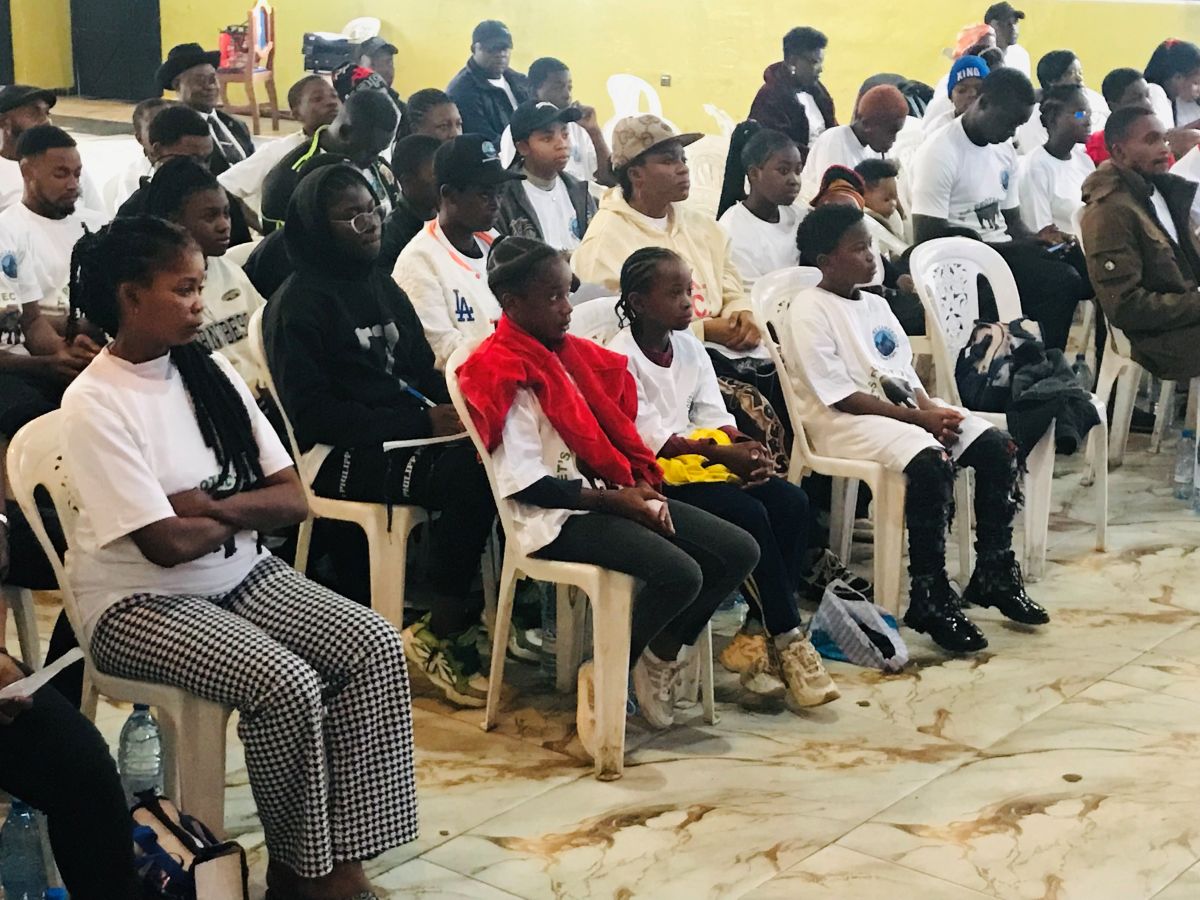
In celebration of World Elephant Day on 12 August 2025, community and conservation club members from around Mount Cameroon engaged in activities such as debates, quizzes and poetry to illustrate the need to protect elephants and accept our coexistence.

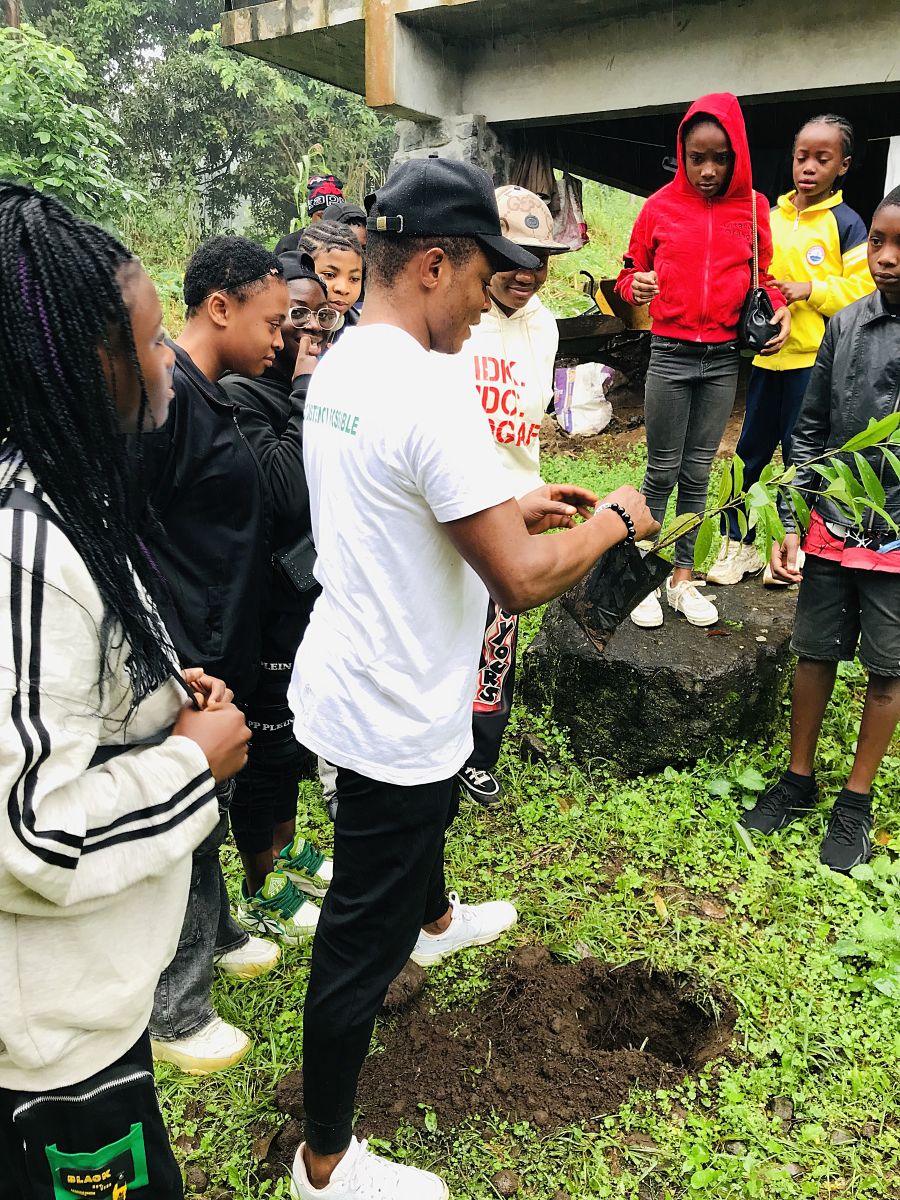
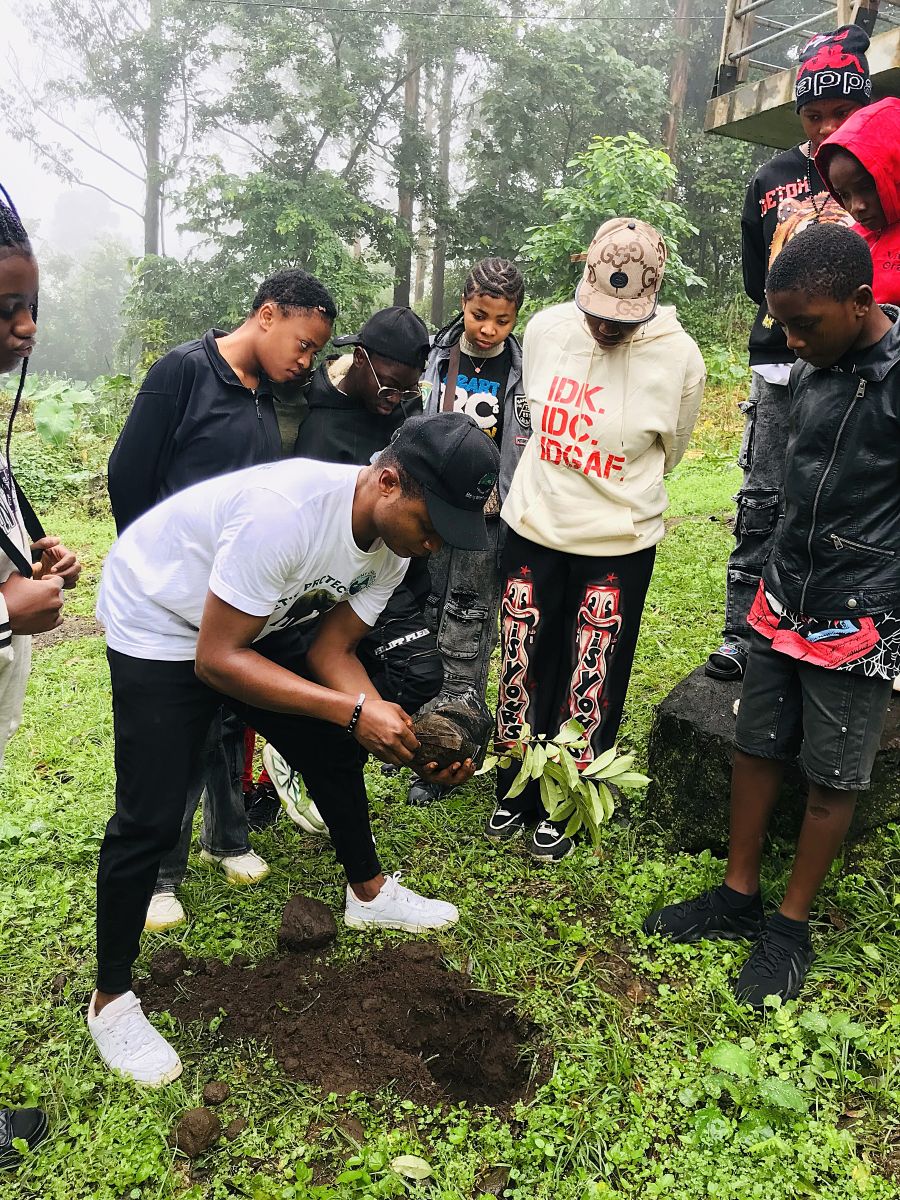
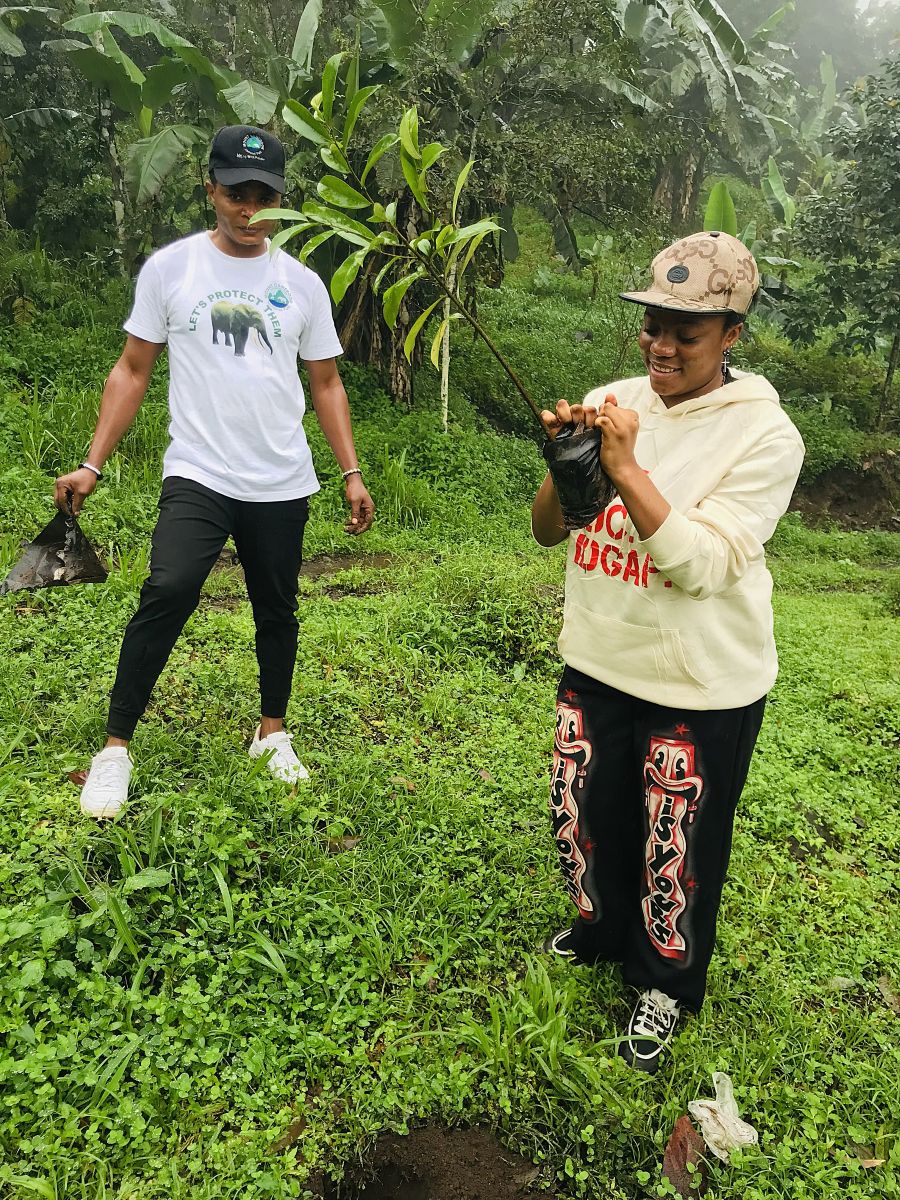
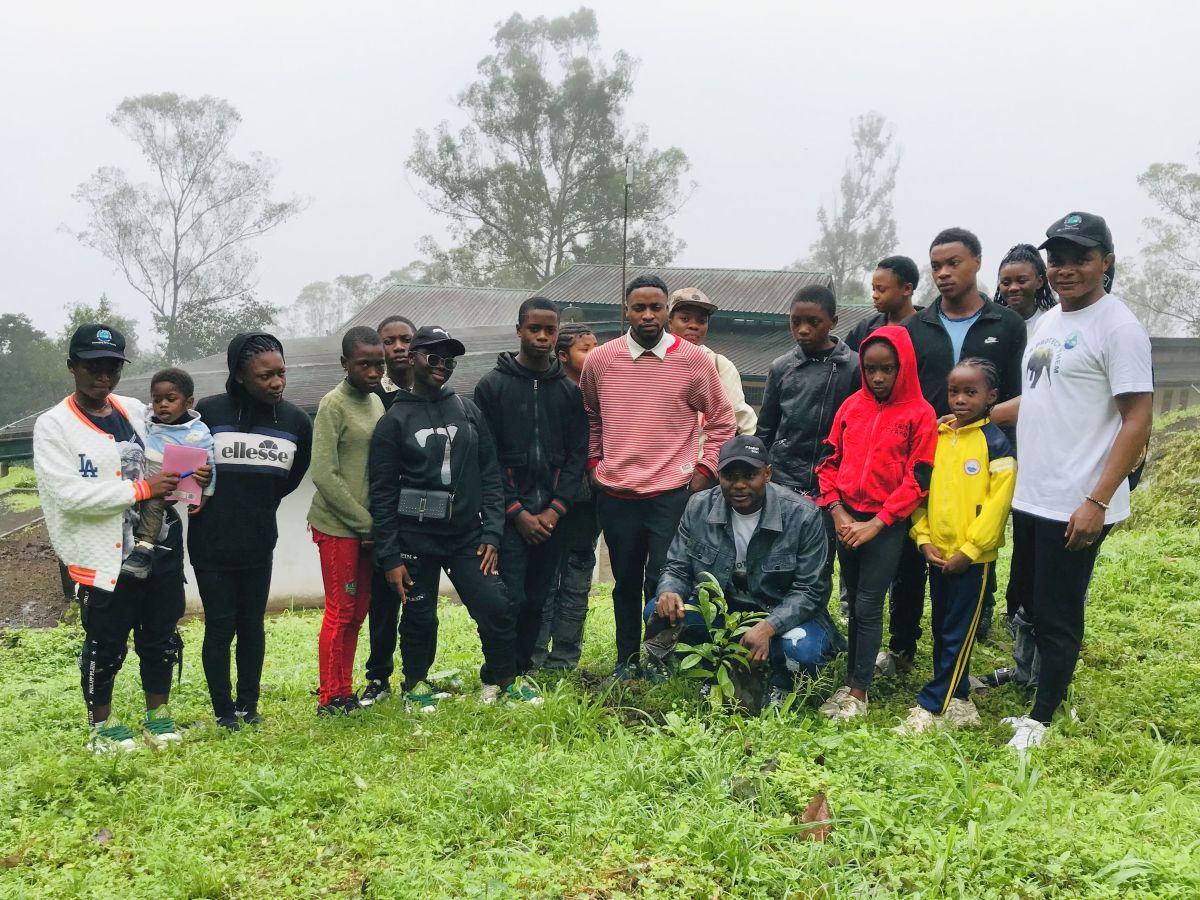
In line with GLOHA’s intervention towards this year’s Elephant Day, we took the initiative to expand the scope of our Green Village Project (planting 1,000 trees) as we began with a tree planting ceremony at the headquarters of the Mount Cameroon National Park. GLOHA and conservation club members planted a variety of economic plants, as well as a forest plant whose seed was collected from elephant dung as part of an experimentation project.

The occasion of this year’s elephant day was an excellent opportunity to engage the local communities that are experiencing human-elephant conflict. Experts from the Park Service, the Ministry of Forestry and Wildlife, WWF, and community-based organizations gave presentations and explained strategies to allay concerns about elephants voiced by villagers. Both short- and long-term measures have been designed and are being implemented to ensure the peaceful coexistence of villagers and elephants, all the while assuring a high quality of life for all.

Promoting Environmental Best Practices in Rural Communities

The Green Village Project is located around the periphery of the Mount Cameroon National Park. The project intends to reach out to over 500 direct beneficiaries, more than 2,000 indirect beneficiaries, and over 700 households. It is a long-term endeavor aimed at enhancing the efforts of the indigenous rural population in protecting and conserving their native forest habitats, ecosystems, and biodiversity.

The pilot phase of the project was launched on 1 January 2025 with the establishment of a plant nursery where we are propagating a variety of tree species that will be supplied to over 41 communities around the National Park.

The Green Village Project will focus not only on tree propagation and planting but equally importantly on modern beekeeping, sustainable tourism and other green income activities.  The beekeeping portion of the project will focus on modern methods of beekeeping.  These techniques are more friendly to the environment than the traditional ways of wild honey hunting, which resulted in frequent bush fires and killed most of the bees in the colony.

With regards to sustainable tourism, this project is looking at providing an alternative and sustainable livelihood to former poachers and other community members who show a love for conservation. These people will be trained as tour guides, porters, and trackers, which will enhance their knowledge and understanding of conservation and encourage them to be conservation ambassadors over the long run in activities such as trekking, wildlife and bird watching, and cultural and homestay tours.

Following the pilot phase with the establishment of the plant nursery, we look forward to initiating phase two, which is the sensitization and identification of the target beneficiaries of the project. Thereafter, we will move to phase three which will focus on training the identified beneficiaries in their chosen areas of expertise. Lastly, the fourth phase, where the trainees will be provided with any needed support in their various specialties.

The Green Village Project has gotten off to a positive start, and we are now in the process of seeking additional funding to see the project through all phases.  We are excited by the prospects of helping our local neighbors and our land over the coming years.