Agroecological Experts Commend GLOHA’s Beekeeping Expansion Initiative

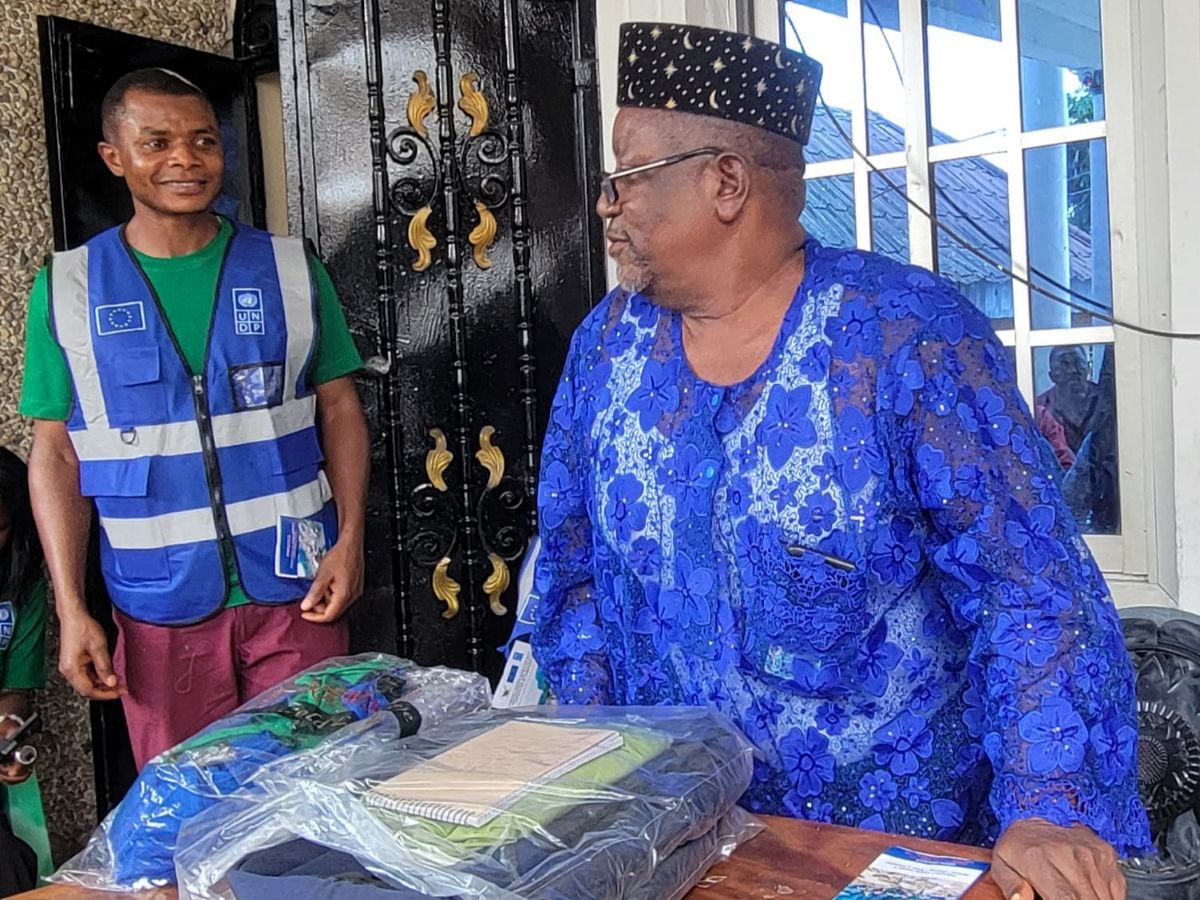
Global Hand Cameroon (GLOHA) was honored to receive Ms. Laura BIH and Mr. Cletus ZHU, agroecological experts from the Cameroon Government’s Food Security Project in the South West Region. Their visit aimed to assess the economic and ecological aspects of GLOHA’s beekeeping initiative, which aligns with the United Nation’s goals of enhancing community livelihoods, promoting environmental sustainability, and advancing climate change adaptation and mitigation strategies.

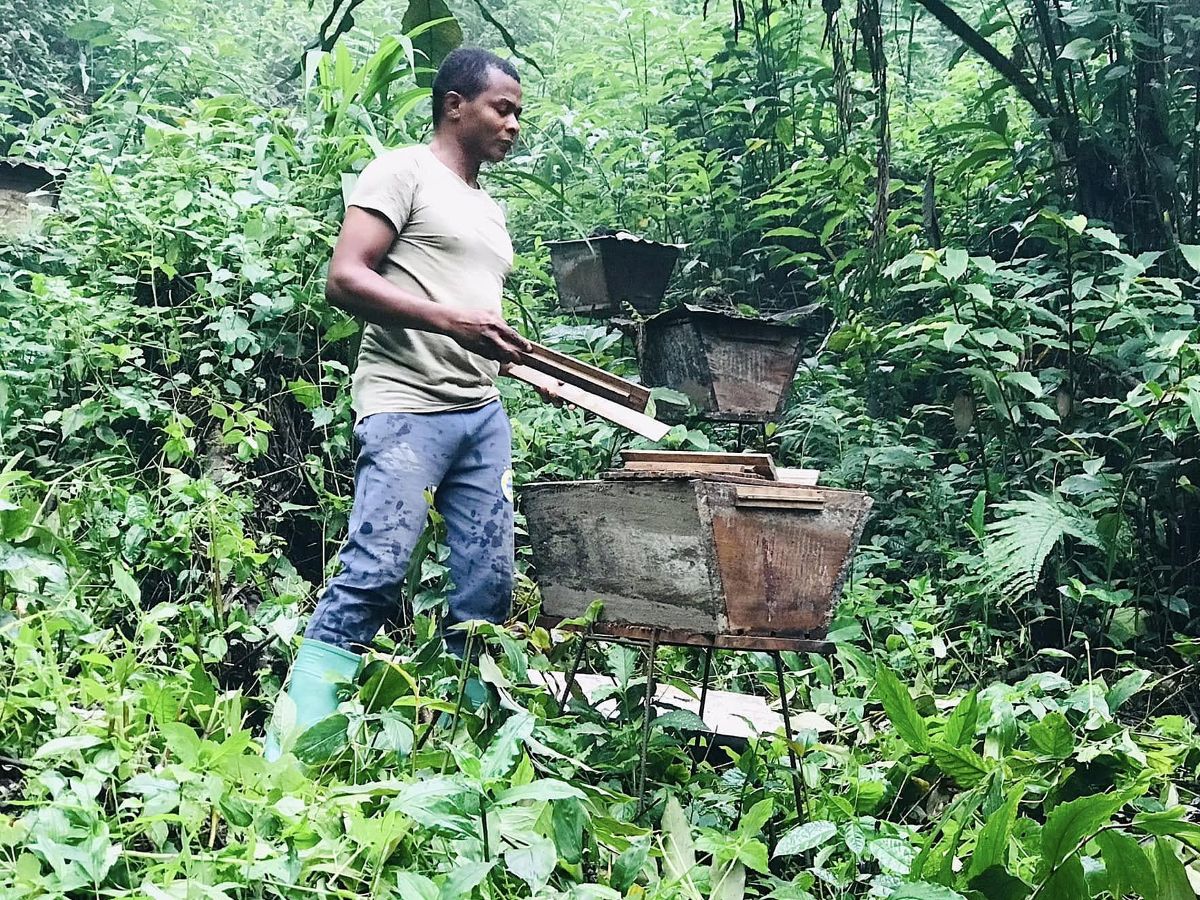
As part of our vision to expand the GLOHA apiary, we plan to acquire additional land and increase our beehive count by 125 Kenyan Top Bar Hives (KTBH). This expansion will boost our production capacity to over 1,500 liters of honey and related byproducts annually. But the apiary will be more than just a production site; it will also serve as a hands-on training facility for students and community members who desire to learn about modern beekeeping techniques.

In addition, the project will support youth employment. Over thirty young people will be engaged in transporting materials, maintaining the apiary, harvesting honey, and supporting marketing efforts, thus contributing to both economic empowerment and skills development.

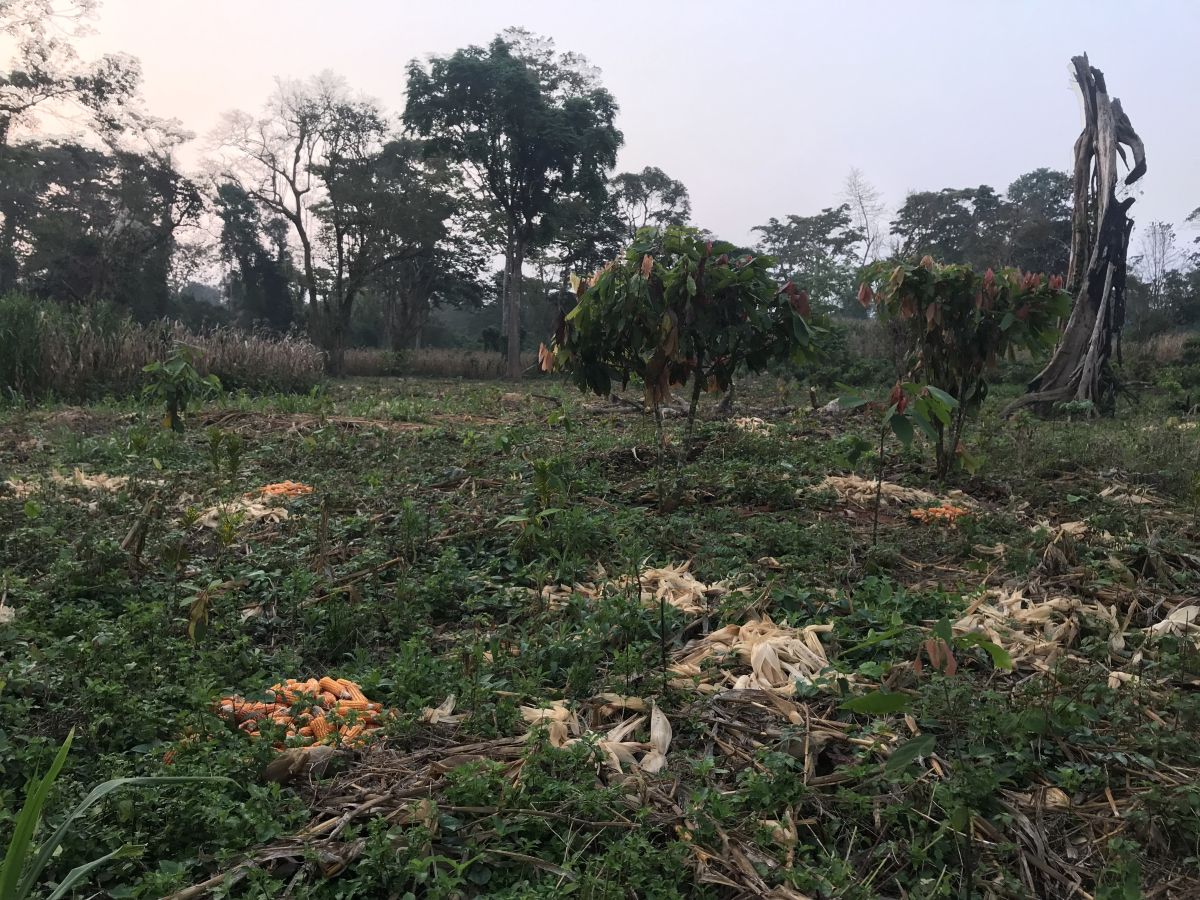
During the field visit, Ms. BIH expressed satisfaction with GLOHA’s commitment to natural beekeeping practices, particularly our decision to avoid artificial feeding even during the rainy season. She encouraged us to scale up the processing and marketing of bee byproducts. Mr. ZHU recommended supplementing bee nutrition during the rainy season with organic waste such as spoiled fruit from vendors and corn residue from local brewers. He also emphasized the importance of planting more fruit trees and flowering plants to ensure a sustainable nectar flow.

Both experts praised the project’s design and its potential for success, especially with the planned increase in the number of beehives. Upon full implementation, the initiative is expected to enhance pollination services, increase bee populations, and strengthen ecosystem resilience. These outcomes will contribute significantly to long-term climate change mitigation and improved food security through higher agricultural yields.

Integrating Scientific Data and Traditional Knowledge

This report explores the growing threat of wildfires to protected areas and Indigenous or community-owned forests in Cameroon, with a focus on the Mount Cameroon area. Drawing on forest cover loss data from 2022 to 2025, we find that deforestation rates remain consistent but wildfire risks are rising, and especially in community-managed landscapes.

To address this escalating problem, it is essential that we end deforestation, strengthen land rights, and empower Indigenous leadership. These actions are critical if we are to protect the forests, the biodiversity, climate stability, and community livelihoods — including beekeeping, sustainable forest resource use, and agroforestry.

Wildfires are increasingly frequent and intense across Mount Cameroon’s savanna and forest zones, threatening ecosystems and the well-being of 41 forest-dependent communities surrounding Mount Cameroon National Park. Interestingly, Indigenous and community-managed lands exhibit some of the lowest rates of tree cover loss; however, they face growing wildfire threats driven by agricultural expansion, slash-and-burn practices, wild honey hunting and poaching — all of which have contributed to a dramatic increase in fire activity. Compounding the problem are climate change and historical fire suppression policies, which are fueling uncontrolled bushfires and endangering carbon-rich forests, biodiversity, and local communities.

These challenges underscore the critical importance of community leadership and secure land tenure in reducing fire risks and promoting ecological resilience.

GLOHA’s recommended actions for wildfire mitigation:

  • Promote conservation and agroforestry practices among local communities.
  • Secure and uphold Indigenous and community land rights (e.g., sacred forests) to strengthen forest stewardship.
  • Revive cultural burning traditions that safely reduce fuel loads and restore healthy fire regimes.
  • Fund, establish, and train Indigenous and community-led fire brigades to improve local preparedness, response and recovery.
  • Increase access to fire monitoring tools and early warning systems for timely detection and intervention.
  • Mitigate climate change by reducing greenhouse gas emissions.
  • End deforestation and land-clearing fires (slash-and-burn) to prevent escaped burns that fuel uncontrolled bushfires.

By combining scientific data with traditional ecological knowledge, these actions will provide evidence-based pathways to protect forests, combat climate change, and enhance community well-being.

The video below shows a bush fire in Mount Cameroon National Park

“When we talk about people whose activities lead to bush fire, we look at wild honey collectors, poachers and farmers. Thanks to the efforts of local organizations like GLOHA, we attempt to implement some fire management strategies but the vastness of the Mountain is making it difficult because while we are working at the windward side of the Mountain, fire comes from the leeward side or vice versa. Bush fire is detrimental to the ecosystem; it kills both micro and macro organisms, destroys habitat, and destroys the soil structure and quality.”  — National Park Official

Enhancing Ecosystem Services, Improving Community Wellbeing

Global Hand Cameroon has launched a new initiative to expand its very successful modern beekeeping program, and we are currently seeking additional funding to purchase a suitable plot of land on which we can add more Kenyan Top Bar Hives.  By expanding our apiary, we will be able to offer more hands-on educational programs for villagers and students, empowering the local economy and strengthening biodiversity and forest resilience.

Project Objectives
  • increase the size of our apiary
  • increase the number of beehives we are actively maintaining
  • increase the local bee population and improve on the ecosystem services
  • train students and local farmers on modern beekeeping methods (hive construction and colony management)
  • reduce poverty amongst low-income community members
  • provide a natural, healthy sweetener
Project Details

Global Hand Cameroon is currently evaluating the purchase of a small parcel of land just outside the town of Buea.  It is close to the forest cover as well as close to farms that have flowering food crops with high biodiversity and medicinal values, where bees can easily forage for nectar.  The land can be used for other agricultural activities such as growing beans and corn which aren’t a threat to beekeeping in case of heavy winds or during harvesting. These are also the best crops to integrate with beekeeping when considering the highly defensive nature of the African melifera bees.

We have 80 new Kenyan Top Bar Hives ready to install on the land; the honey will be processed using a modern honey press that was constructed locally.

Project Background

Honey hunting has had a long history in traditional forest life in Cameroon. However, because the traditional collection methods utilize fire, it is one of the leading causes of destructive bushfires. These uncontrolled bushfires have contributed to significant forest degradation and environmental decline, and bee populations and biodiversity in general have suffered greatly. Despite these serious issues, wild honey hunting and traditional beekeeping methods are still commonly practiced, especially amongst forest dependent communities.

Modern beekeeping methods, in contrast, do not involve the same fire risks and can actually enhance forest health and biodiversity by augmenting the bee population and increasing pollination. In addition, modern beekeeping can sustainably produce greater quantities of honey and can provide employment and greatly improve living standards for local villagers. In fact, modern beekeeping aligns with four of the United Nations Sustainable Development Goals (SDGs): poverty reduction (SDG 1), sustainable communities (SDG 11), responsible consumption and production (SDG 12), and climate action (SDG 13).

At its core, modern beekeeping is a powerful tool for both poverty alleviation and biodiversity protection at the grass roots level.

Recognizing this potential, GLOHA has established a research-based apiary that serves as a reference and training center for community members and students. Utilizing Kenyan Top Bar Hives, this program promotes modern beekeeping practices aimed at diversifying income sources through the sale of honey and other byproducts such as beeswax and propolis.

The initial successes of our program have spurred us to pursue additional avenues for expanding our apiary. With a larger apiary, we will have more opportunities to educate the local populace on modern beekeeping methods and to promote both ecological resilience and economic empowerment. It’s an exciting prospect.

For Further Information

If you are interested in learning more about this project or would like to help fund it, please reach out to us at info@gloha.org.  We are always happy to discuss our work and our aspirations.

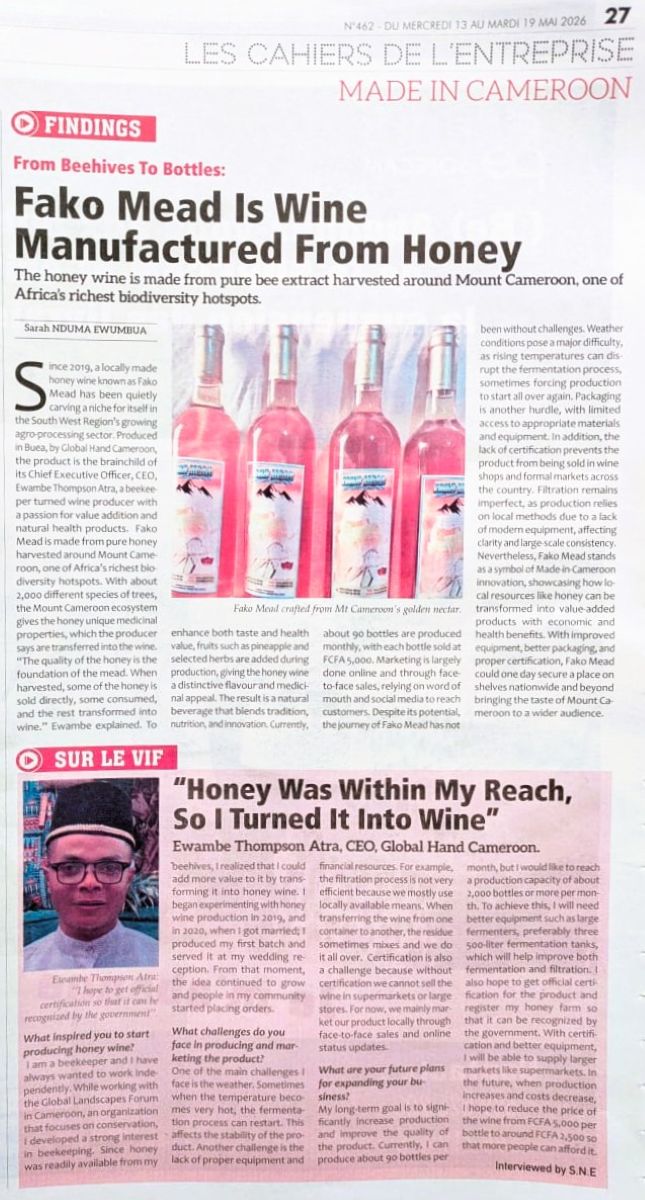
To read more about the beekeeping activities of Mr. Evambe Thompson, founder and CEO of Global Hand Cameroon, please see this excellent article, published a few years ago in the George Washington University journal, Planet Forward.

“Matriarch and Memories: save the mother and keep the group together”

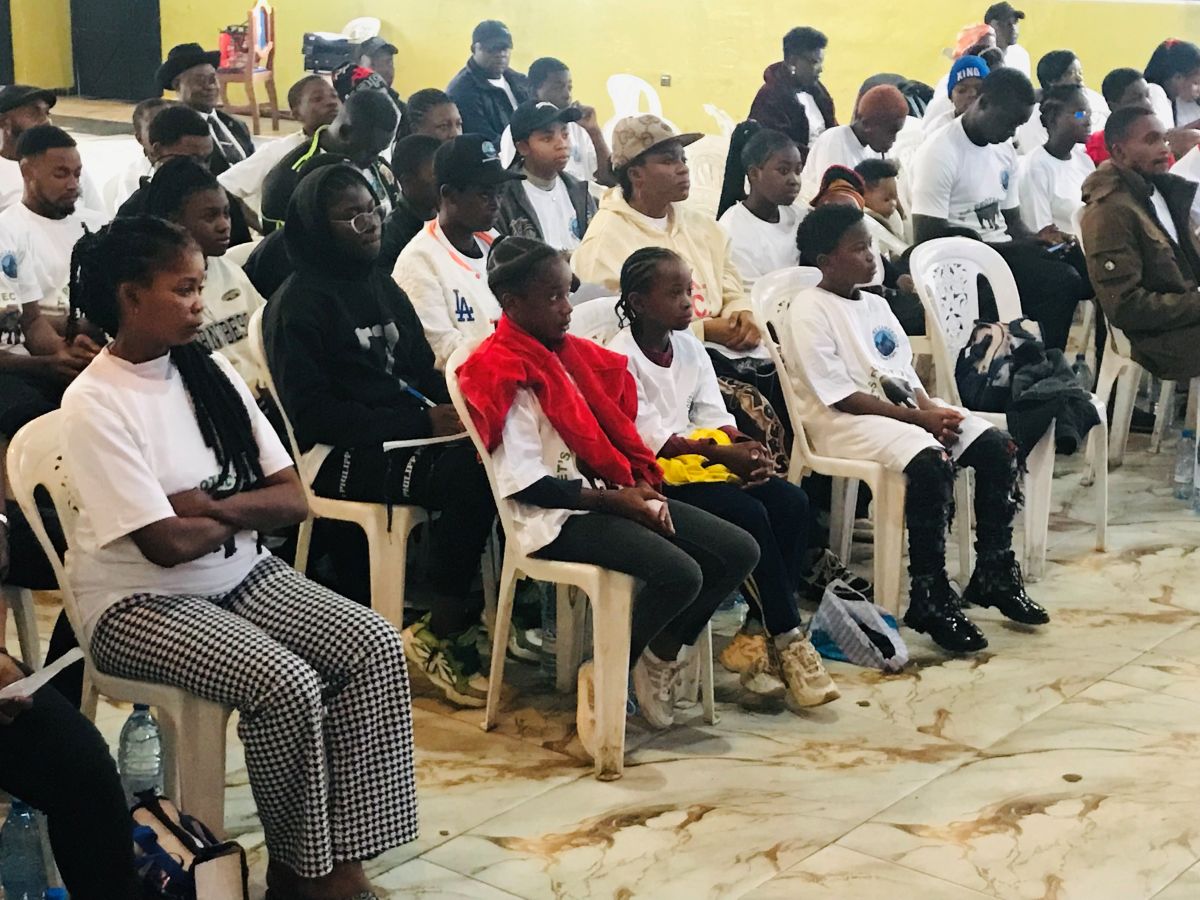
In celebration of World Elephant Day on 12 August 2025, community and conservation club members from around Mount Cameroon engaged in activities such as debates, quizzes and poetry to illustrate the need to protect elephants and accept our coexistence.

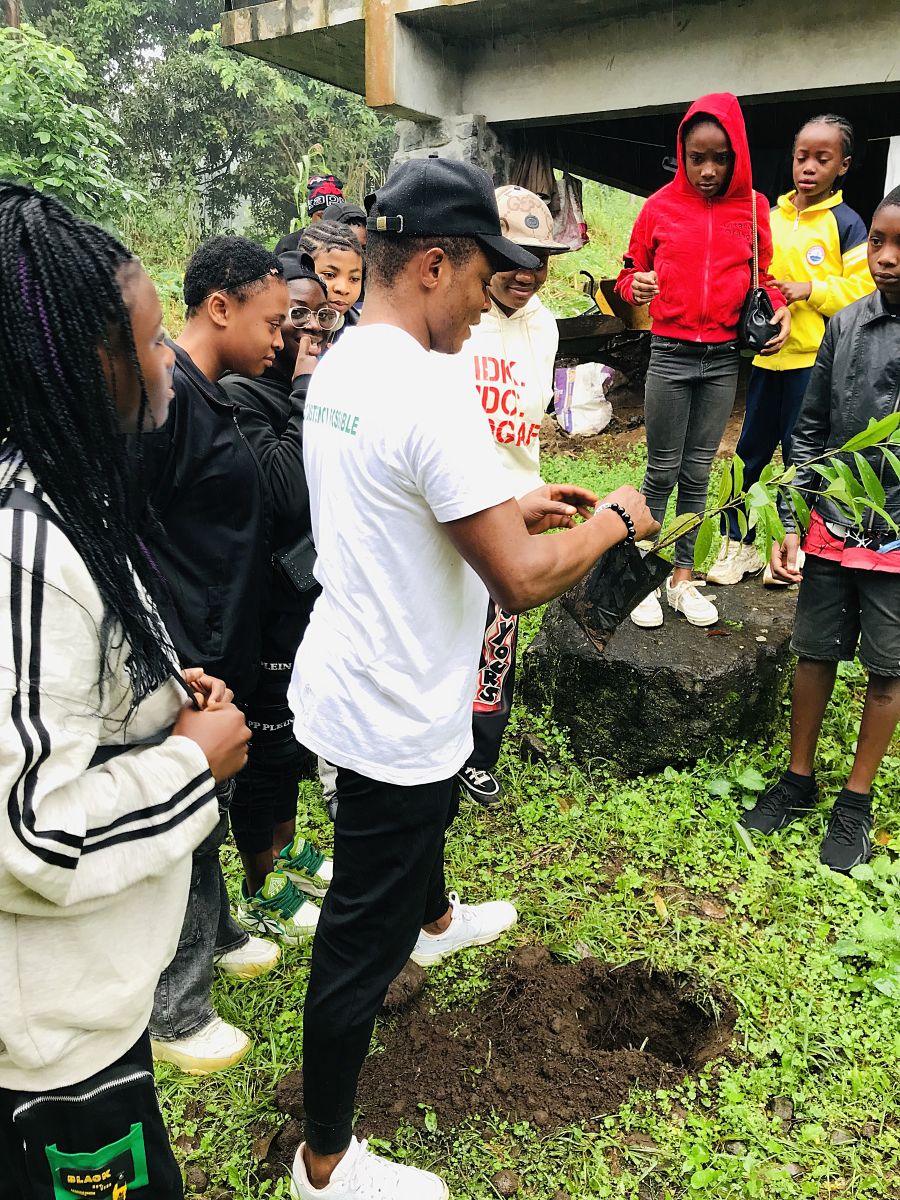
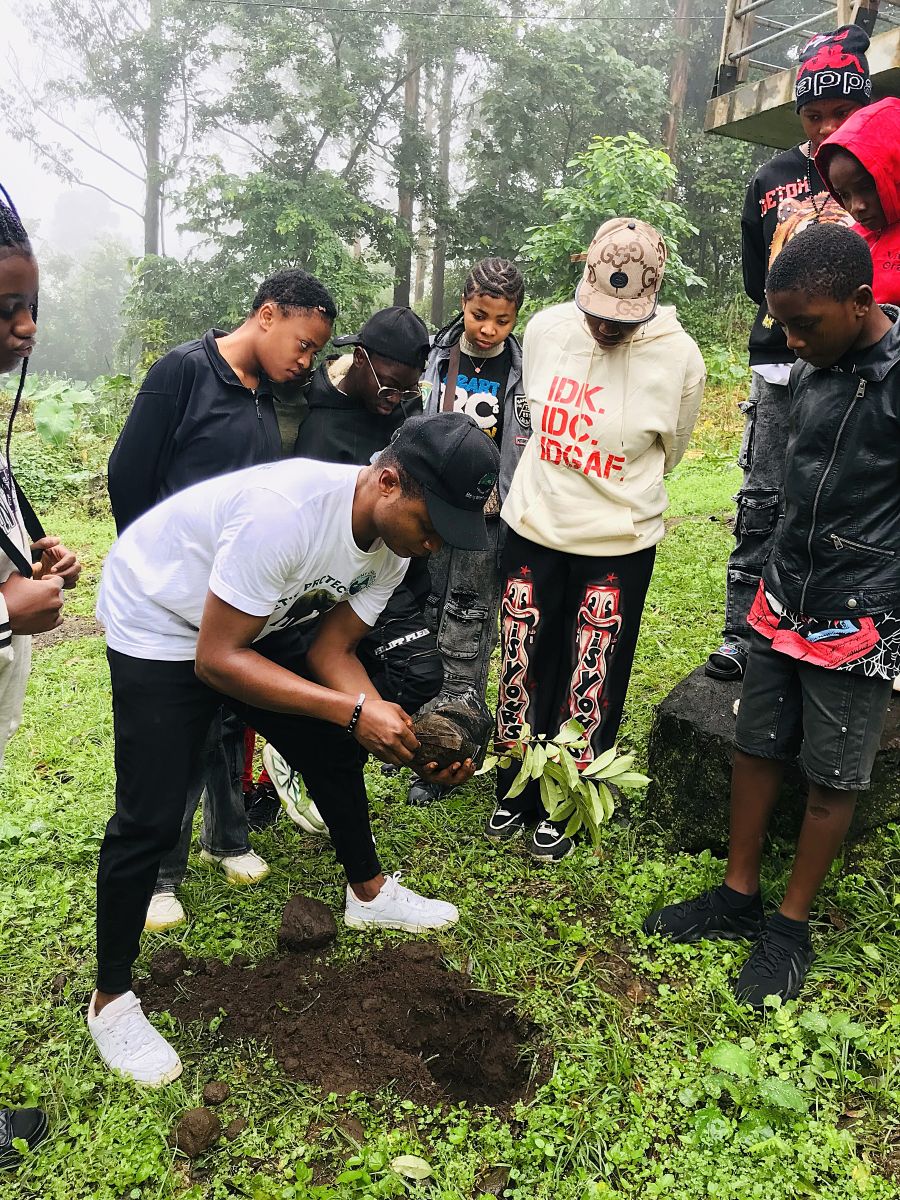
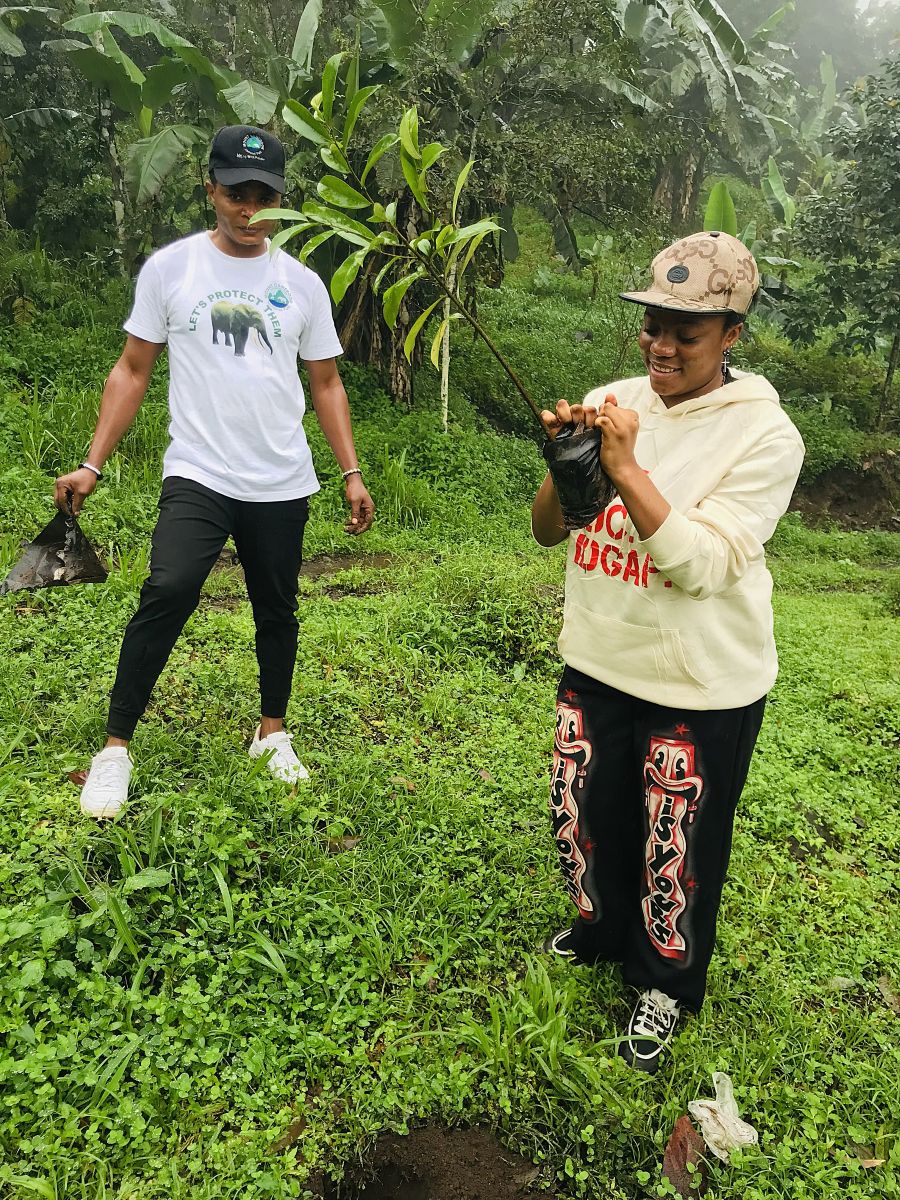
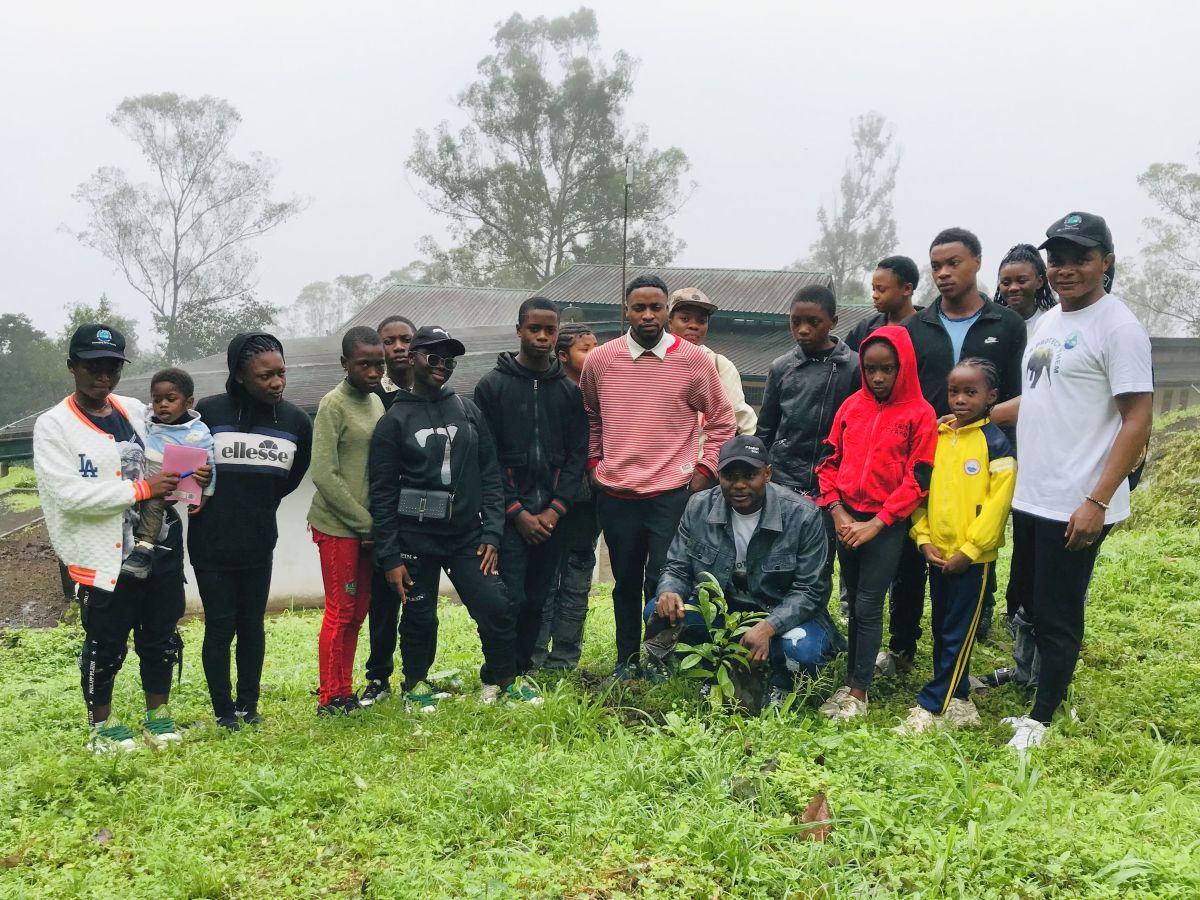
In line with GLOHA’s intervention towards this year’s Elephant Day, we took the initiative to expand the scope of our Green Village Project (planting 1,000 trees) as we began with a tree planting ceremony at the headquarters of the Mount Cameroon National Park. GLOHA and conservation club members planted a variety of economic plants, as well as a forest plant whose seed was collected from elephant dung as part of an experimentation project.

The occasion of this year’s elephant day was an excellent opportunity to engage the local communities that are experiencing human-elephant conflict. Experts from the Park Service, the Ministry of Forestry and Wildlife, WWF, and community-based organizations gave presentations and explained strategies to allay concerns about elephants voiced by villagers. Both short- and long-term measures have been designed and are being implemented to ensure the peaceful coexistence of villagers and elephants, all the while assuring a high quality of life for all.

Promoting Environmental Best Practices in Rural Communities

The Green Village Project is located around the periphery of the Mount Cameroon National Park. The project intends to reach out to over 500 direct beneficiaries, more than 2,000 indirect beneficiaries, and over 700 households. It is a long-term endeavor aimed at enhancing the efforts of the indigenous rural population in protecting and conserving their native forest habitats, ecosystems, and biodiversity.

The pilot phase of the project was launched on 1 January 2025 with the establishment of a plant nursery where we are propagating a variety of tree species that will be supplied to over 41 communities around the National Park.

The Green Village Project will focus not only on tree propagation and planting but equally importantly on modern beekeeping, sustainable tourism and other green income activities.  The beekeeping portion of the project will focus on modern methods of beekeeping.  These techniques are more friendly to the environment than the traditional ways of wild honey hunting, which resulted in frequent bush fires and killed most of the bees in the colony.

With regards to sustainable tourism, this project is looking at providing an alternative and sustainable livelihood to former poachers and other community members who show a love for conservation. These people will be trained as tour guides, porters, and trackers, which will enhance their knowledge and understanding of conservation and encourage them to be conservation ambassadors over the long run in activities such as trekking, wildlife and bird watching, and cultural and homestay tours.

Following the pilot phase with the establishment of the plant nursery, we look forward to initiating phase two, which is the sensitization and identification of the target beneficiaries of the project. Thereafter, we will move to phase three which will focus on training the identified beneficiaries in their chosen areas of expertise. Lastly, the fourth phase, where the trainees will be provided with any needed support in their various specialties.

The Green Village Project has gotten off to a positive start, and we are now in the process of seeking additional funding to see the project through all phases.  We are excited by the prospects of helping our local neighbors and our land over the coming years.

Engaging the younger generation

It is overwhelming to share the progress of our YEEP 2 Project! Thanks to the amazing support and invaluable contributions of our partners, who are key players to the successful implementation of this activity. The project was a success at Miracle Comprehensive High School – Limbe. Over 70 students were engaged in an enlightening day of learning and hands-on activities focused on:

  • Sustainability & Sustainable Development – Understanding how we can protect our planet for future generations.
  • Environmental Protection – Exploring the current environmental threats and practical solutions; also uncovering the role the students have to play as youths in environmental protection.
  • Climate Change – Discussing how it’s affecting our communities and how we can fight back.
  • Waste Management – Encouraging the students to adopt sustainable habits and manage waste properly.

It was so amazing to witness the positive energy, ideas, and enthusiasm the students showed at every stage of the activity, and we can’t wait to see how they continue to engage in environmental protection. We look forward to getting more partners to promote and extend this project from the coast to other rural communities, where over-exploitation of biodiversity and plastic pollution are becoming serious conservation issues.

Youth engagement in environmental protection

Global Hand Cameroon (GLOHA) has entered into partnership with the NGO Making It Greener (MIG) to initiate a project designed to engage youths in environmental protection issues. The project is geared toward youths aged 12 to 35 who come from diverse backgrounds in Buea and Bamenda in the South West and North West Regions of Cameroon. GLOHA and MIG will work in collaboration with other NGOs in the planning, implementation, and evaluation of activities for youths that benefit the environment. To reach the widest possible audience, we will utilize a combination of workshops, training sessions, community outreach in primary, secondary and the tertiary sector of education, as well as digital platforms to reach a wider audience.

Our vision is to get more young people engaged and empowered in environmental protection and initiatives that challenge climate change.

Goals and planned activities include:

  • increasing awareness and understanding of environmental issues among young people,
  • enhancing skills and knowledge related to climate change, environmental conservation and sustainability,
  • strengthening partnerships and collaborations for sustained youth participation in environmental initiatives,
  • networking with other community-based organizations and national and international NGOs,
  • creation of environmental clubs in communities and within institutions in Northwest and Southwest Regions,
  • carrying out local clean-up campaigns within communities and on beaches.

Youths represent a significant portion of the world’s population today and are inheriting a world deeply impacted by climate change. However, young people’s involvement and engagement in environmental initiatives that challenge climate change remain underutilized. We stand to redress this gap with this collaborative project: by creating opportunities and empowering young people with knowledge, skills and opportunities, we can cultivate a generation of environmentally and climate change conscious citizens committed to preserving our planet for future generations.

We look forward to working with more partners who can help us achieve the vision of a greener society and greener minds.

Regeneration of forests and agroforestry farms

A man in a red cap is planting seedlings in small black plastic bags filled with soil.

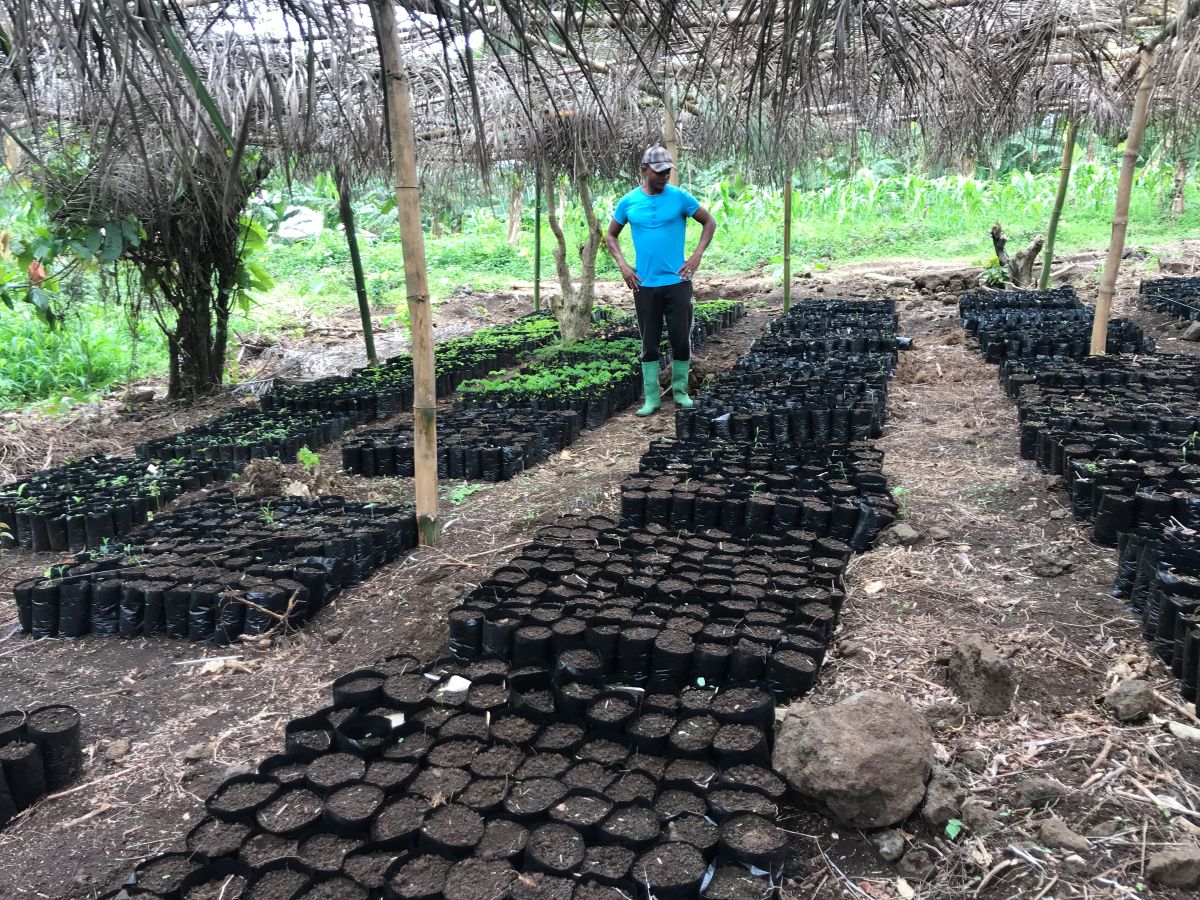
Global Hand Cameroon has been actively working with community members in the Bomboko village of Kotto II to develop their new plant nursery. This project is designed to provide an alternative income source to group members and ensure reliable access to affordable fruit, timber and non-timber forest products (NTFPs). The nursery will provide not only economic benefits, but also important environmental benefits to the area. Some of the trees that are grown in the nursery will be sold, while others will be used for watershed protection and reforestation projects in old cocoa farms and in Mount Cameroon National Park.

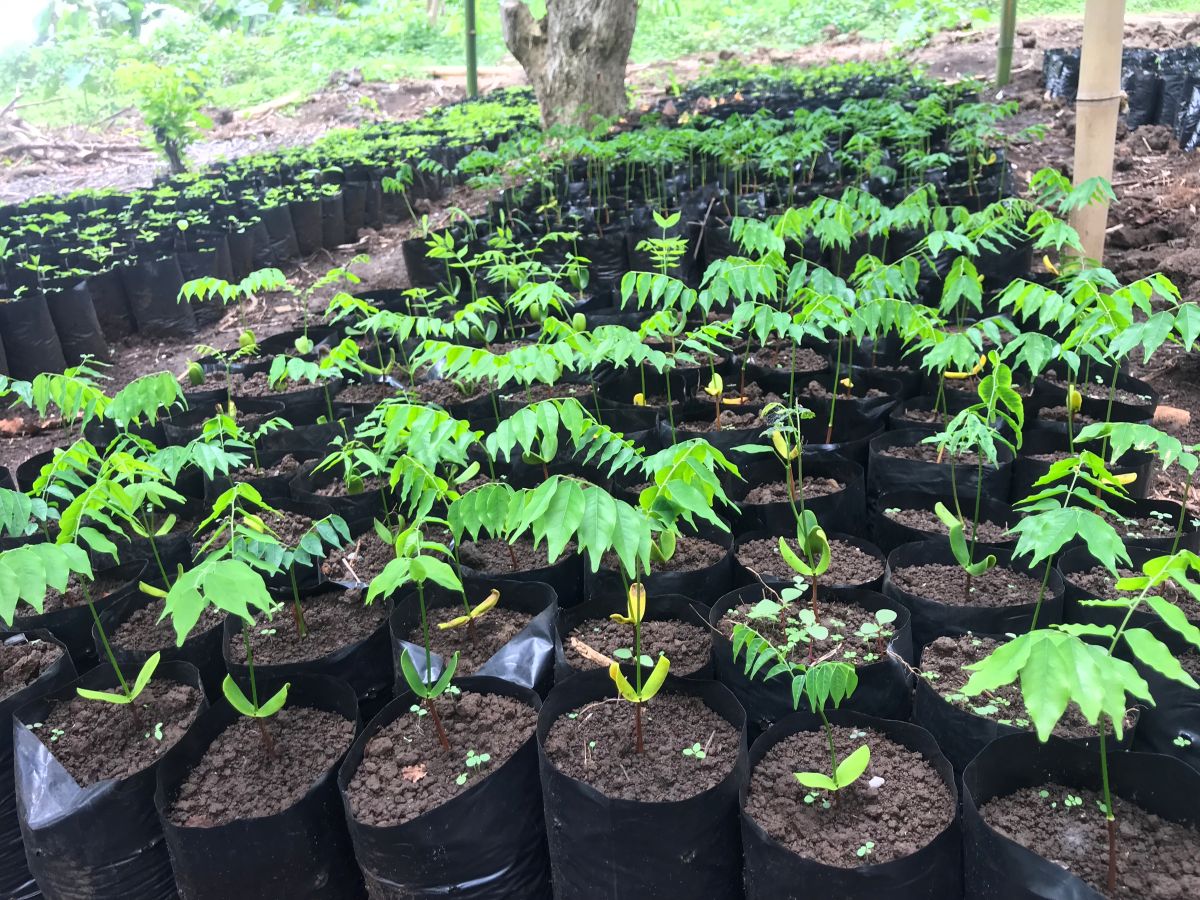
The nursery has the capacity to grow 21,000 seedlings, which will include mahogany, azobe (red ironwood tree), cedrela, bitter kola, bush mango (sweet and bitter), country onion, orange, lemon, grape, soursop, pear, plum and cocoa. The fruit trees will be vegetatively propagated in order to facilitate early production and diversify farmers’ incomes. The majority of the timber and NTFPs will be planted in the park, on farmlands, and along the park boundary.

To fully realize this project, nursery members are working hard to ensure that the project is well designed and well run. We have identified three committed nursery officers who are making every effort to mobilize, animate, coordinate and report developments of the nursery activity. At the moment, shade construction is 80% complete, over 19,285 seeds have been sown in the nursery bed, and 8,665 germinated seeds have been potted into polythene bags. We expect that by June 2025 the nursery will be able to supply over 20,000 young plants.

Human-Elephant Conflict Around Mount Cameroon National Park

Participants in RRT meeting
Participants in Rapid Response Team meeting

Global Hand Cameroon has recently been working in partnership with the World Wide Fund for Nature (WWF) and the Programme for the Sustainable Management of Natural Resources (PSMNR-SWR) to develop a new “Rapid Response Team” strategy for preventing human-elephant conflicts in communities adjacent to Mount Cameroon National Park.

Over the past few years, the problem of forest elephants raiding farmers crops has been getting steadily worse, and especially in the West Coast and Bomboko Clusters (northern and western border of the national park). Not only have the number of raids by elephants increased, but the elephants are now remaining in the area. Farmers are losing entire crops, and human-elephant encounters are becoming dangerous. The situation in this area has reached a crisis stage and workable solutions are urgently needed.

According to stories passed down by village elders, elephants have always used this area as a corridor to move between places (e.g., to the Mukoko Forest Reserve and back to Korup and Takamanda National Parks) and until recently there rarely were any problems. However, with the traditional elephant corridors being encroached upon by human settlement, along with disruptions caused by ongoing political instability, the elephants’ traditional patterns of movement have been altered. Of course, forest elephants are recognized as an essential part of the area’s rich biodiversity — and are in fact a big draw for ecotourists — so the question is not how to completely eliminate them, but simply how to dissuade them from entering farms and populated areas.

A number of creative techniques to dissuade the elephants have been tried, including building hot chili fences and installing beehives along some parts of the boundary separating the national park from the affected communities. Unfortunately, these measures have only provided a temporary solution since the elephants have simply adapted to these installations and continued with their unwelcome activities.

Undeterred, villagers have resorted to a more active approach to chasing off the elephants. Now, the national park is encouraging communities to respond to the elephants’ destruction through an “early warning alert system” using a Rapid Response Team (RRT), in which elephants are monitored and immediately chased from community farms as soon as they are first detected.

It is in this endeavor that Global Hand Cameroon has been actively working. In its capacity as a Local Support Organization (LSO), GLOHA, in partnership with WWF and PSMNR-SWR, is helping train villagers and farmers on the best RRT strategies, including how to use the vuvuzela (horn), GPS, and other monitoring gadgetry. This is just one of the many conservation issues we are addressing as we seek to find long-term, sustainable solutions to improve people’s livelihoods and maintain the overall health of the planet.

[See also our news article of June 2023:  Human-Elephant Conflict, Mount Cameroon]

Video of two elephants in a farmer’s field. The farmer is calling to the elephants to leave the field.

Consultation and preliminary negotiations with six core conservation communities for a Conservation Development Agreement

As a Local Support Organization for the Mount Cameroon National Park Service, Global Hand Cameroon (GLOHA) actively works on livelihood and conservation activities in six communities in the Bomboko I Cluster, located just outside the national park.

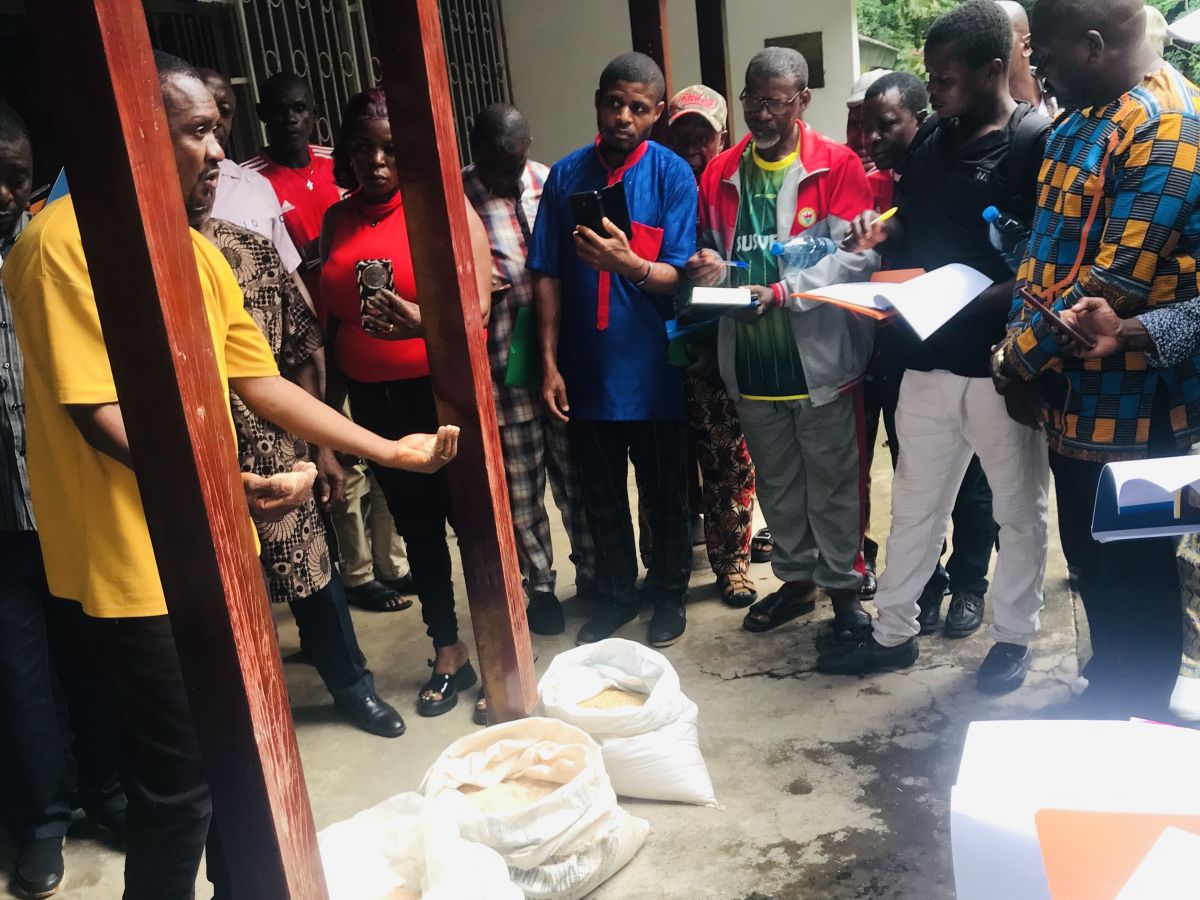
In this role, GLOHA participated on 4 April 2024 in a conference with representatives from these six communities to discuss the establishment of a Cluster Conservation Development Agreement (CCDA). The conference was held at the Botanical Garden in Limbe and included officials from the World Wide Fund for Nature (WWF), the Program for the Sustainable Management of Natural Resources (PSMNR) and Mount Cameroon National Park (MCNP). The conference consisted of a number of activities, including the establishment of a Local Collaborative Management Committee (LCMC) and setting up a Cluster Collaborative Management Platform (CCMP).

The purpose of meetings such as this is to enable the conservation organizations to have frank and open discussions with the partner communities. After the target communities have been identified and mobilized, discussions include:

  • clarifying micro zoning (i.e., drawing accurate maps of villages to show available resources),
  • defining the roles and responsibilities of the various actors,
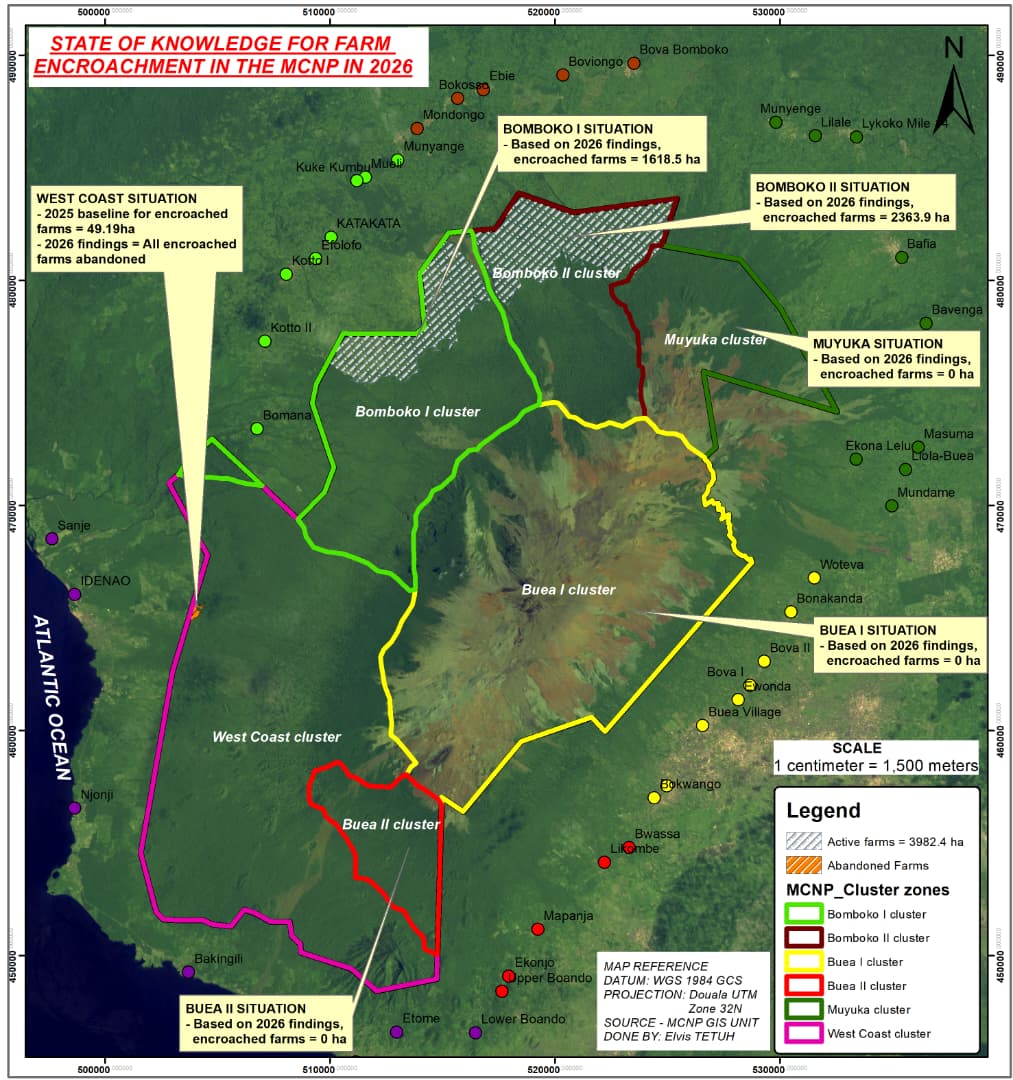
  • identifying management issues (bushfires, encroachment into the park, poaching, etc.),
  • defining local strategies,
  • adopting sustainable management measures for peripheral zones,
  • supporting the institutionalization of the co-management interventions,
  • endorsement of the CCDA
  • integrating the CCDA into the Communal Development Plan (CDP), and
  • protecting the management areas.

During the conference, participants were encouraged to work in groups with respect to their communities of origin. The participants did a micro zoning of their various communities, after which they were requested to do resource mapping on their various micro zoning. This exercise is very important in that it enables the conservation organizations to know the various resources that are available in the park and the peripheral areas, as well as the various administrative units and social amenities that are available. In that light, livelihood interventions for communities can be well strategized and targeted. In addition, it facilitates the planning of conservation activities.

Ultimately, the target communities undertake to uphold, promote and assist in conservation activities to ensure biodiversity sustainability. In return, they receive benefits through focused group engagement strategies and community interest projects that can substantially improve community livelihoods.

Collaborative management is an essential tool in managing protected areas and administering conservation activities within the Mount Cameroon National Park and its peripheries. We are pleased that local communities and conservation organizations are working together to benefit both the communities and the area’s remarkable biodiversity.