Agricultural Encroachment in Protected Areas (Mount Cameroon National Park)
Following our 2026 survey on forest and land use around Mount Cameroon National Park, findings show that the park has lost an unprecedented number of hectares as a result of agricultural encroachment. Mount Cameroon National Park covers 58,178 hectares and is bordered by 41 communities, many of which rely heavily on forest resources.
Before the park was created in 2009, these communities managed the forest through traditional systems that recognized ancestral forests and respected cultural restrictions on certain plants and animals. This approach supported abundant natural resources for both residents and newcomers. However, the region’s hospitality has attracted a great many migrants from other parts of Cameroon and Nigeria, increasing population pressure around the park.
This growing and diverse population has significantly altered land use and the landscape along the park’s periphery. In some areas—particularly in the Bomboko communities—cultural and traditional values that once guided resource use are no longer widely observed, especially among visiting populations. As a result, forest exploitation practices have begun to shift in harmful ways.
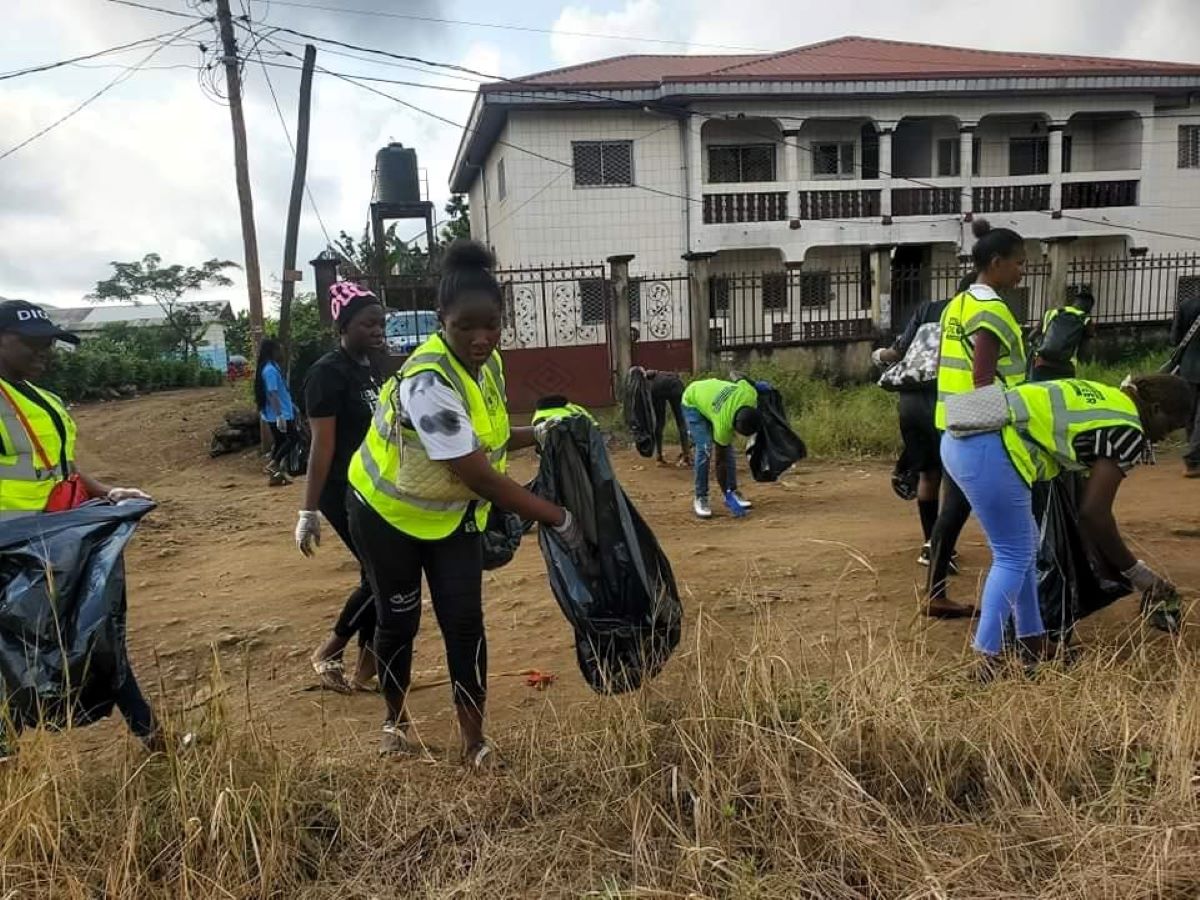
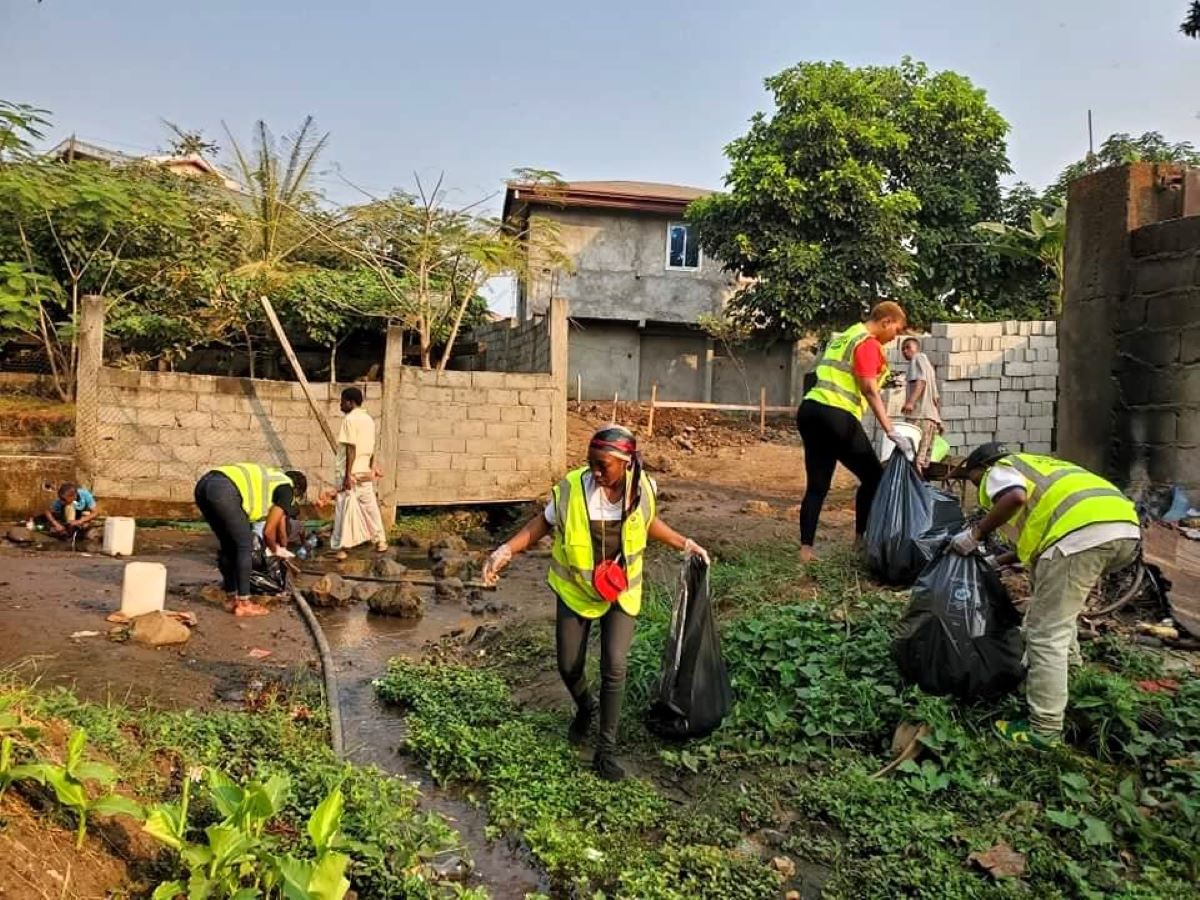
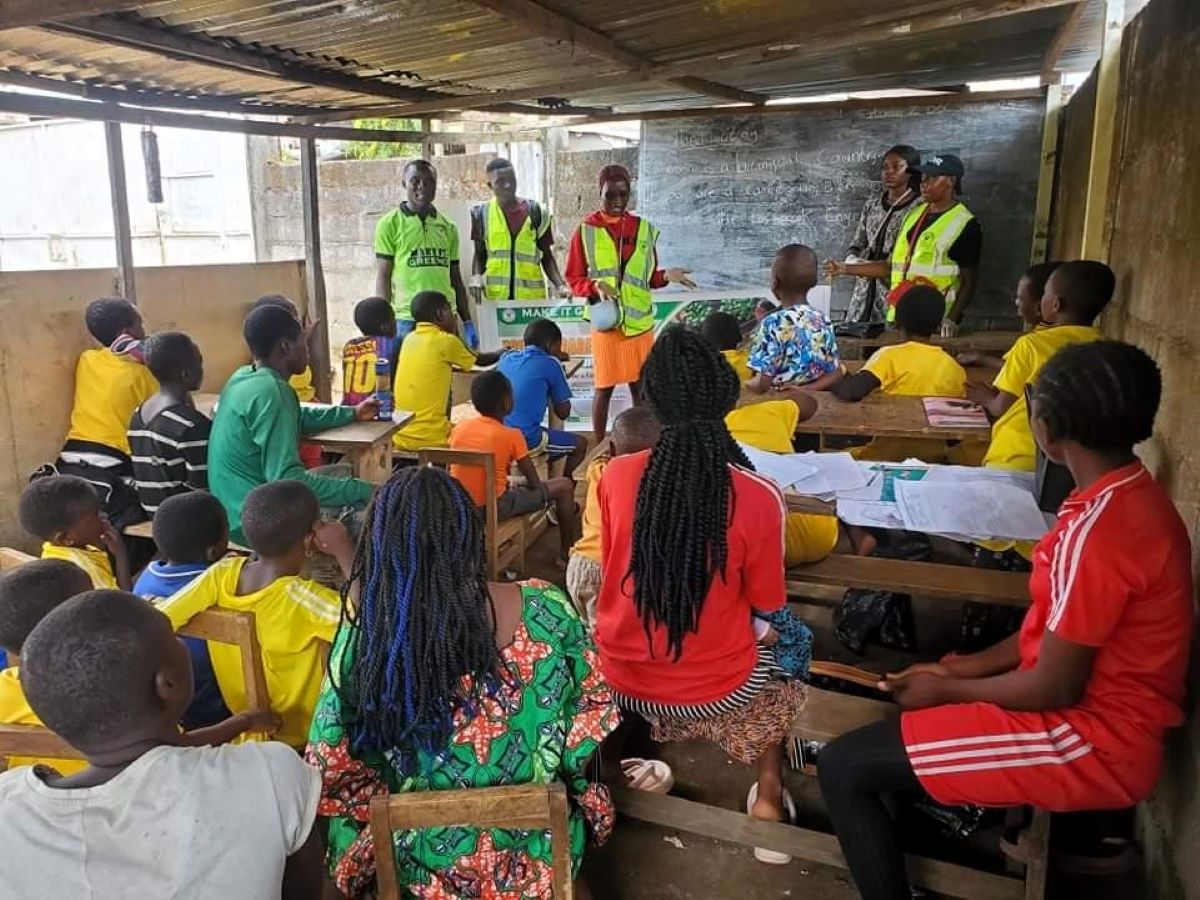
The establishment of the park in 2009 was therefore essential to protect and sustain key forest resources. Local NGOs and Community-Based Organizations like Global Hand expanded sensitization efforts across the 41 surrounding communities. Conservation bonuses were introduced to reward communities that adopted best practices, helping to reinforce conservation norms.
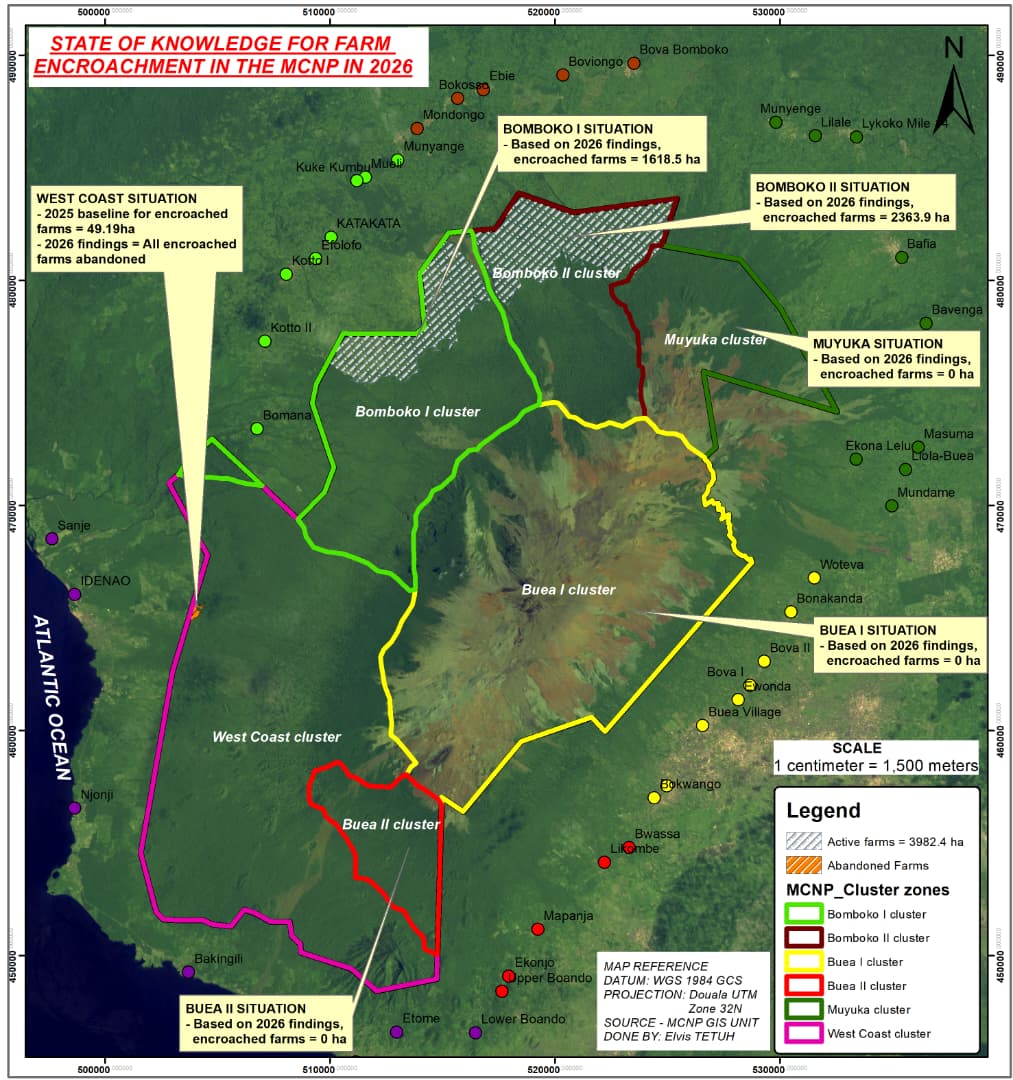
Despite these efforts, forest use patterns changed drastically between 2017 and 2026. Forest exploitation increased sharply, with some communities expanding farms right up to the park boundary (there is no existing buffer zone), while others have established farms inside the park itself. Current estimates indicate that active farms now encroach on approximately 3,982 hectares of park land.
Overall, in less than a decade, roughly 6,000 hectares of forest cover—and the carbon sink it represents—have been lost.
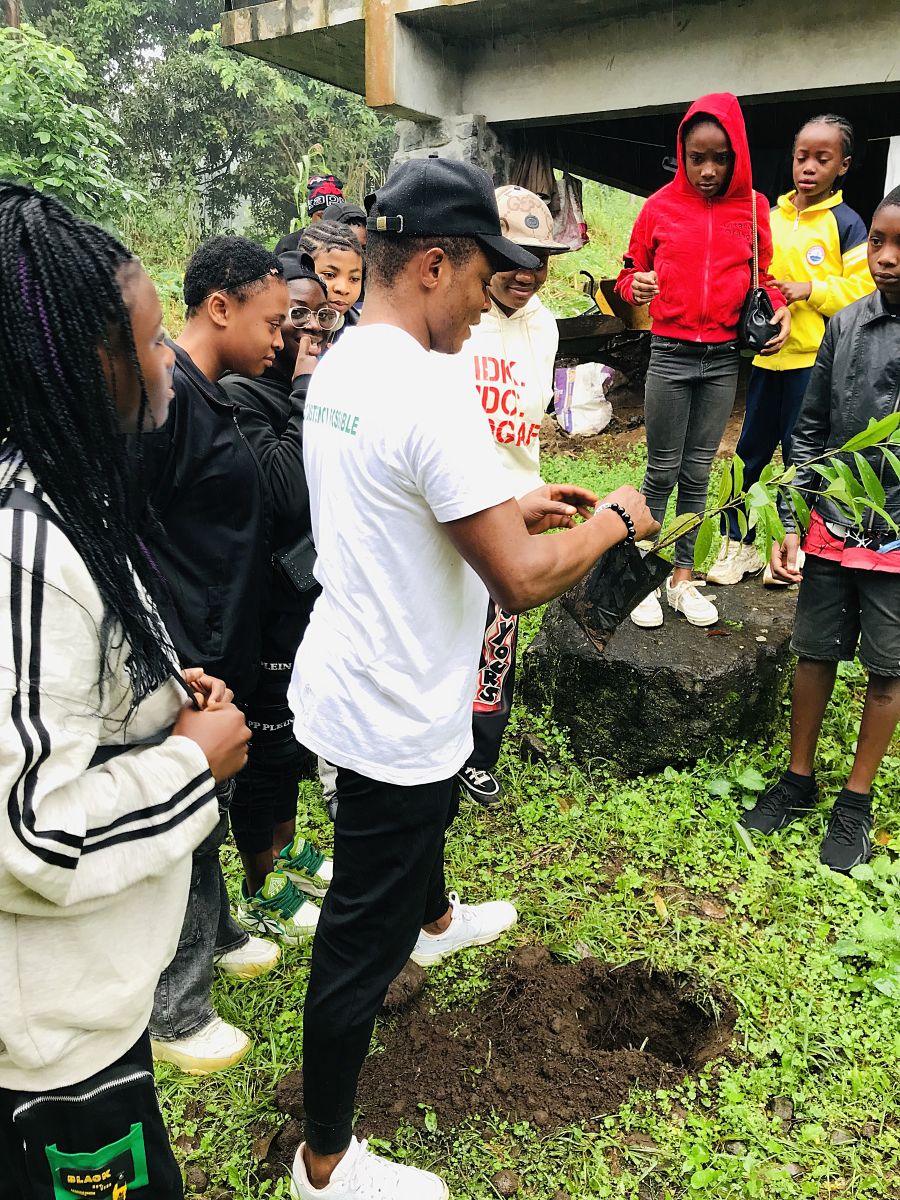
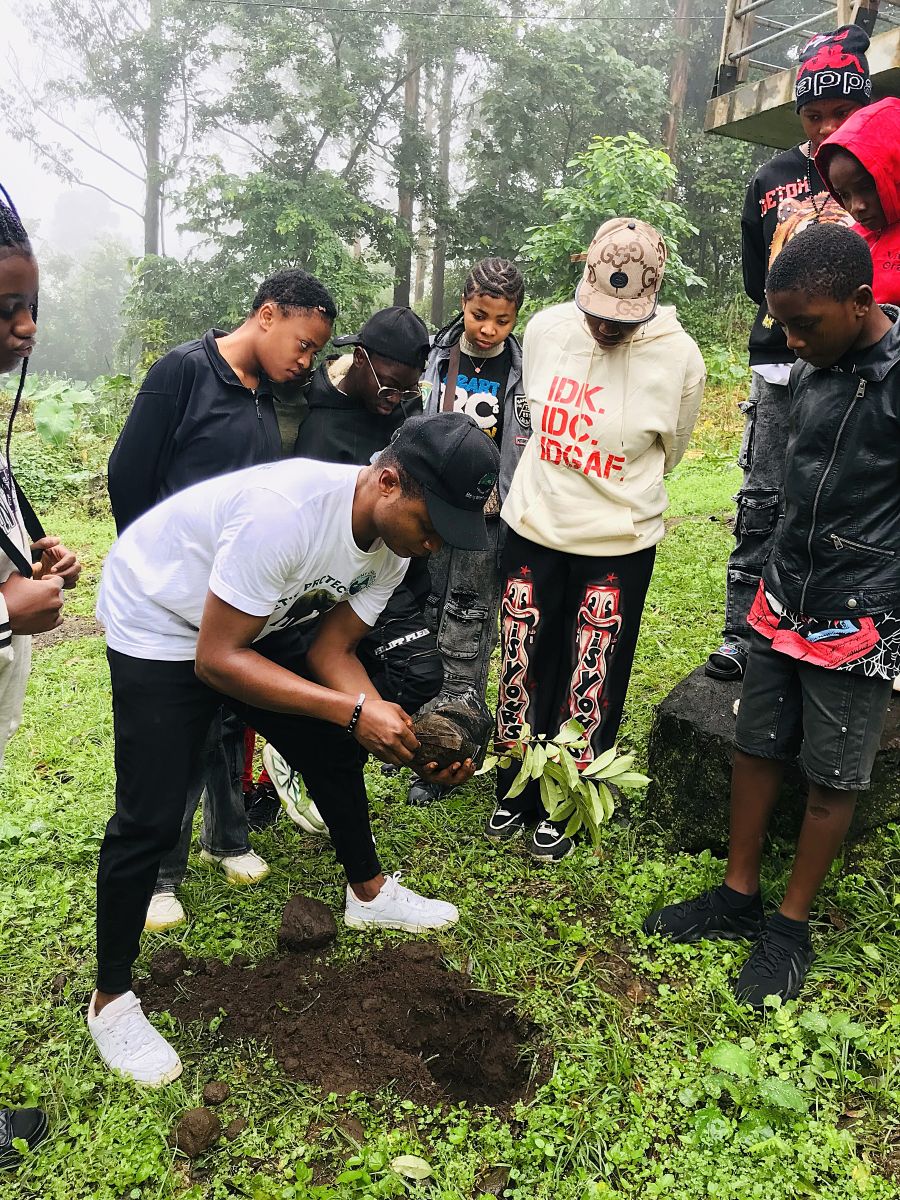
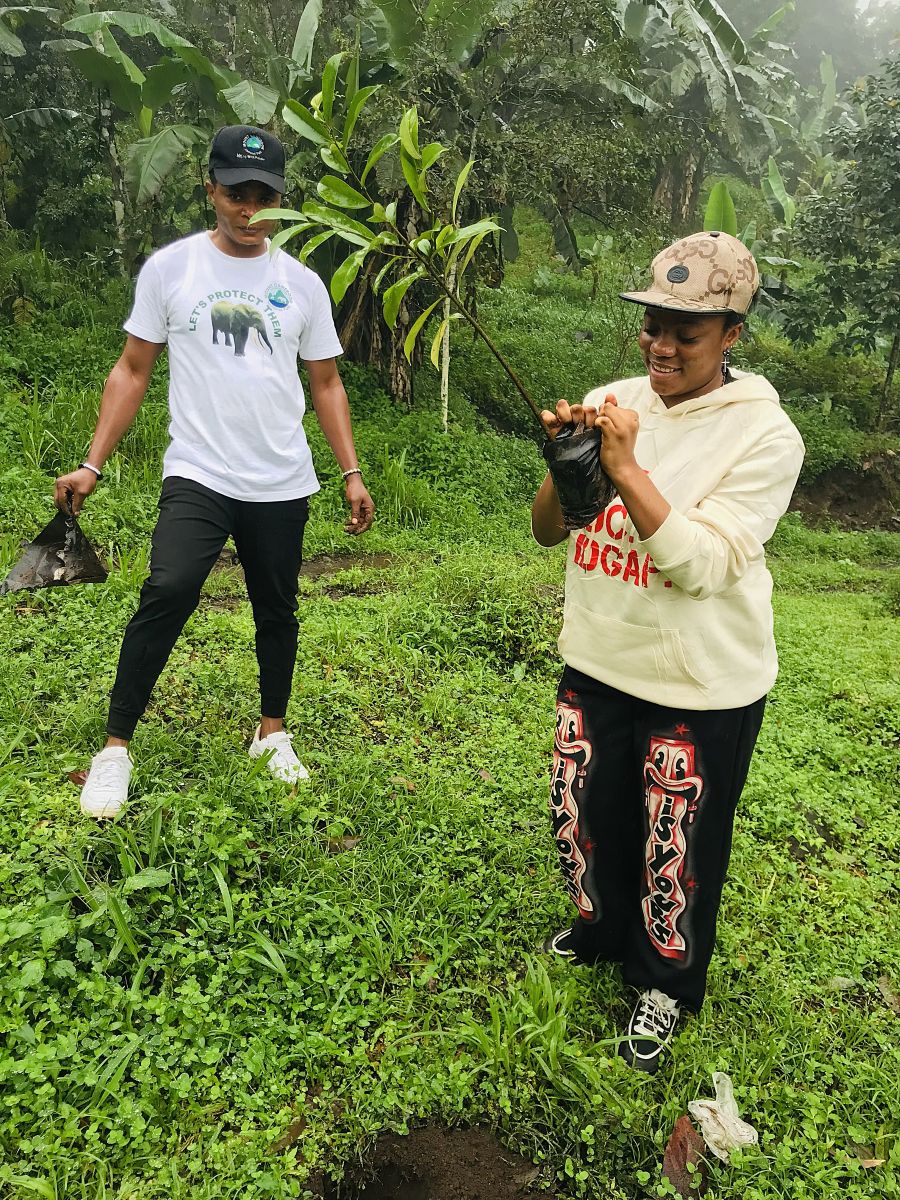
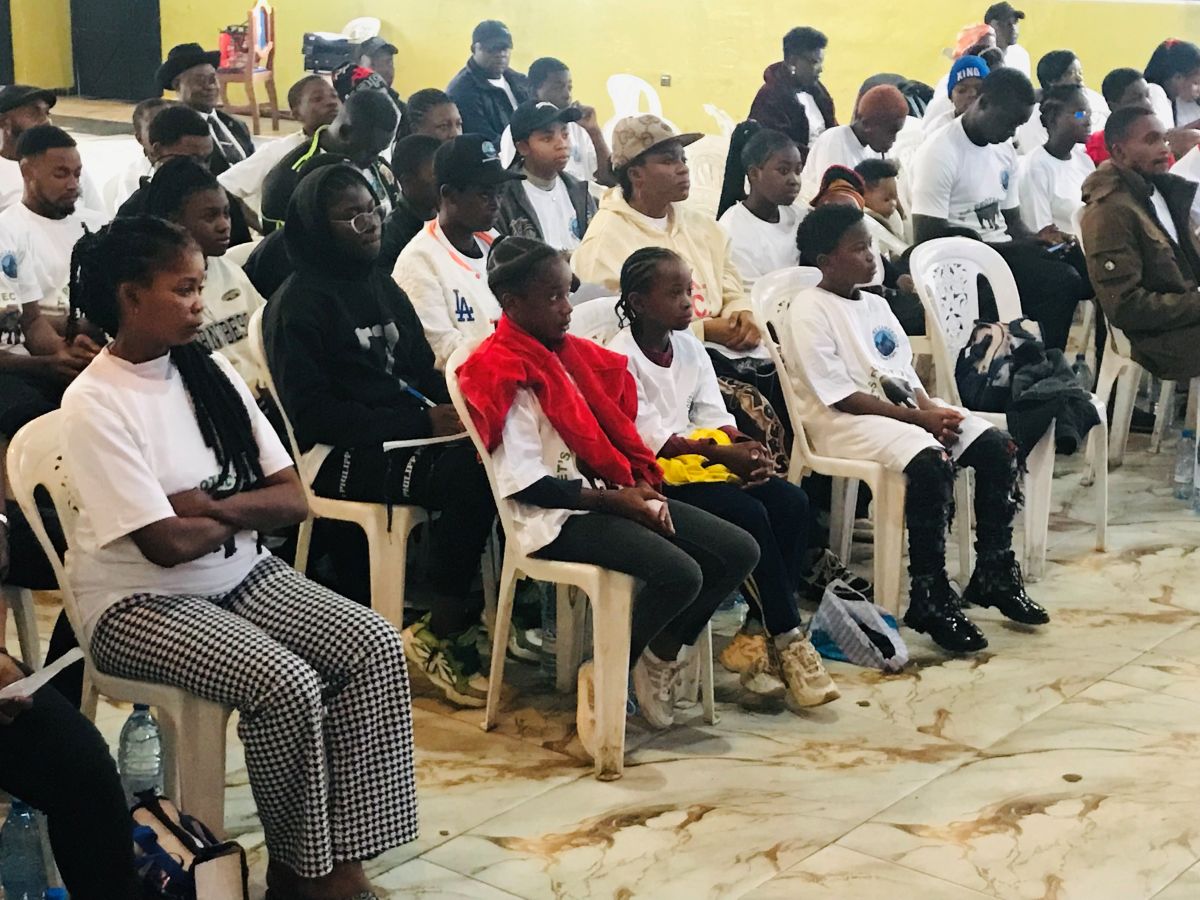
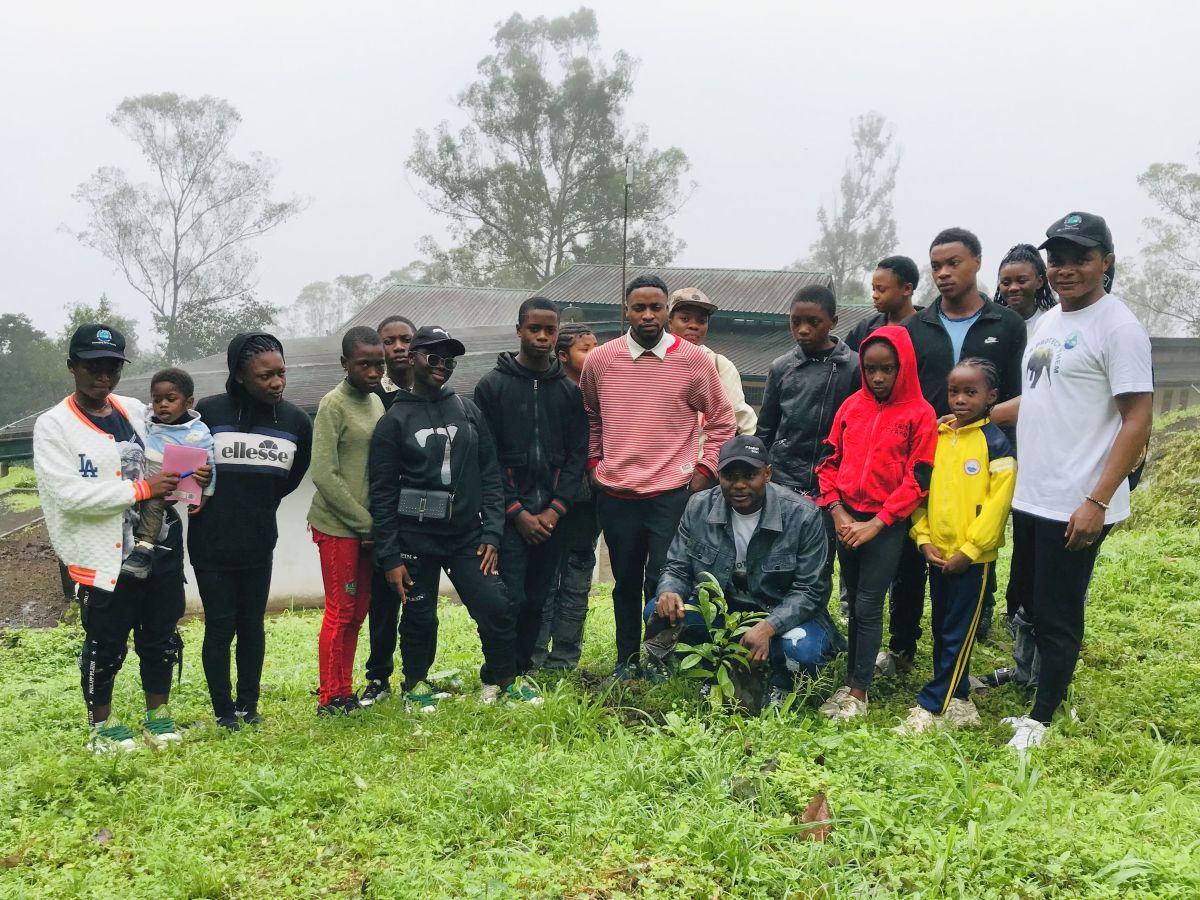
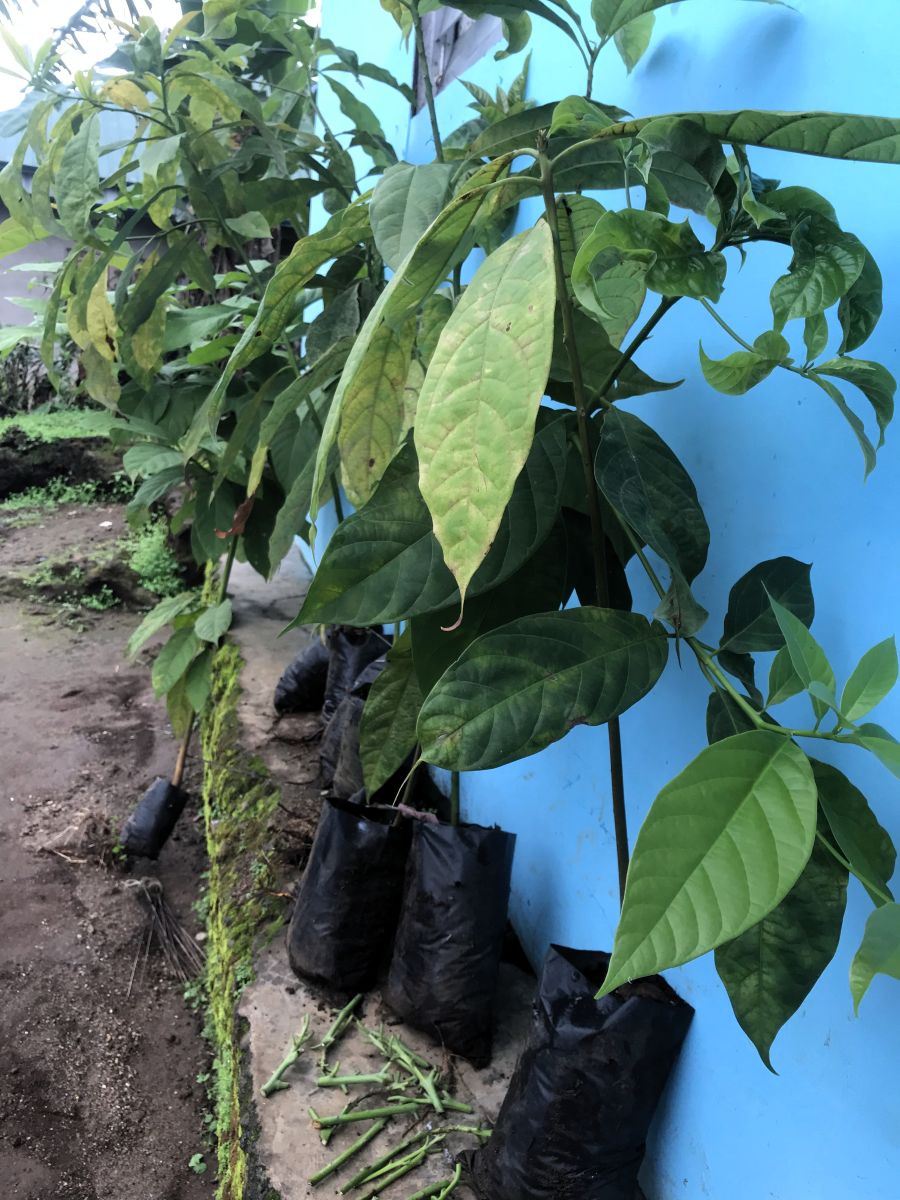
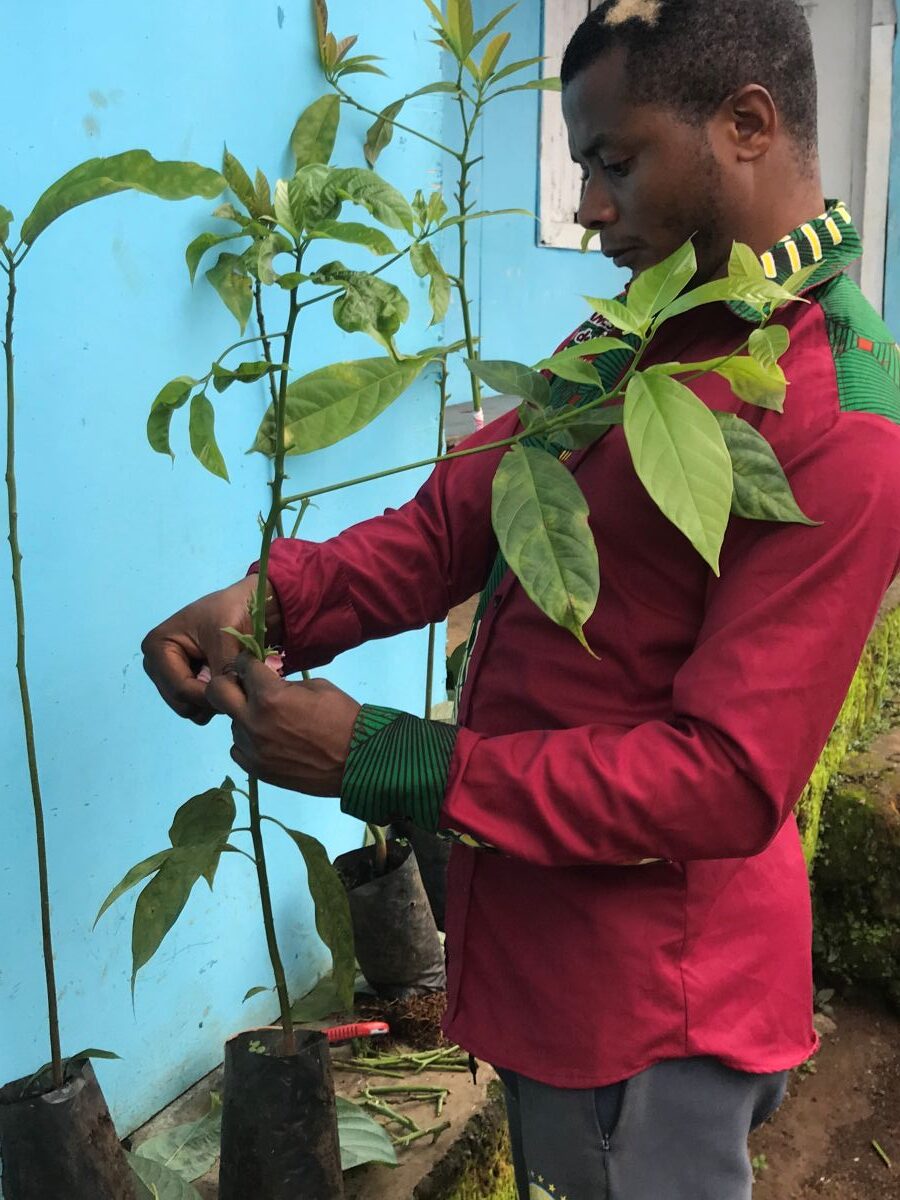
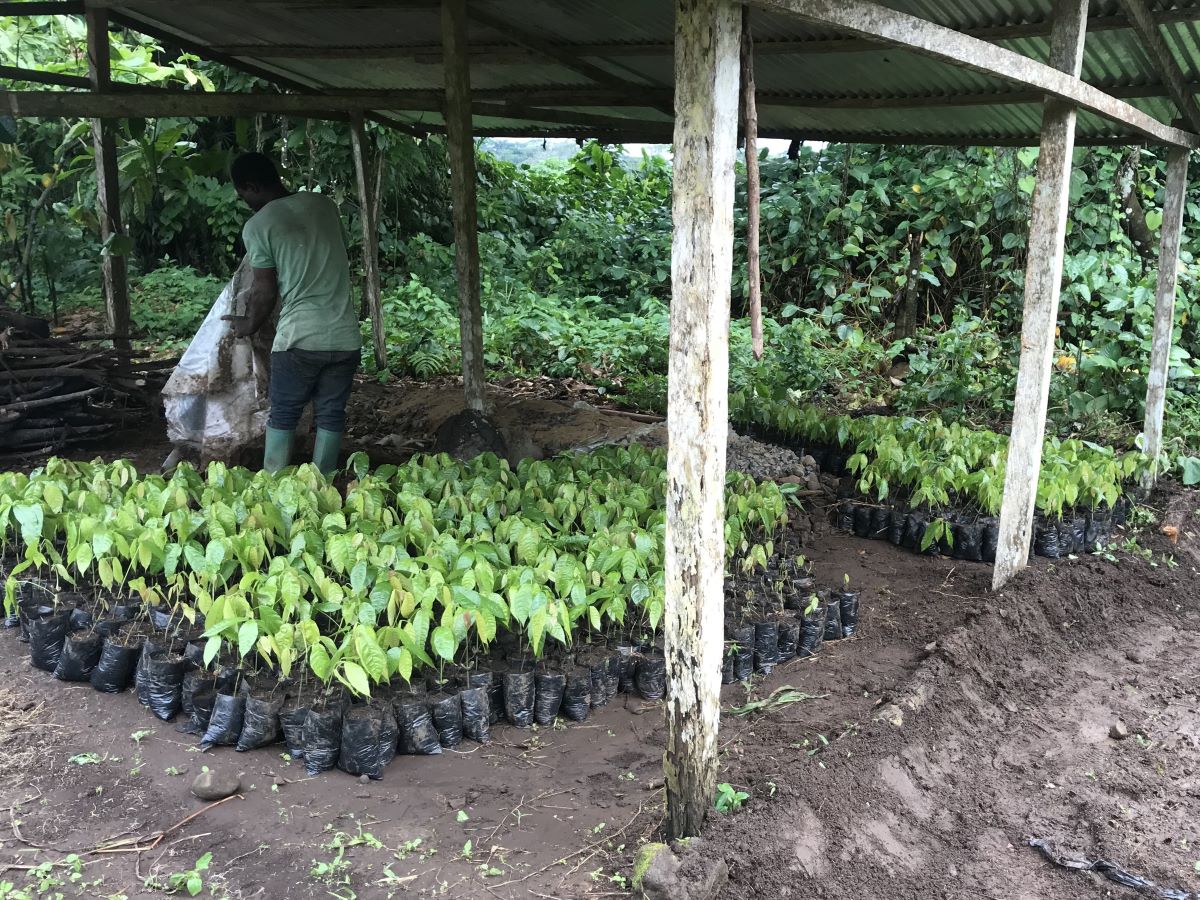
In response, Global Hand plans to intensify sensitization efforts with the encroaching farmers, support forest regeneration in the affected areas, and monitor forest conditions over the next five to six years.
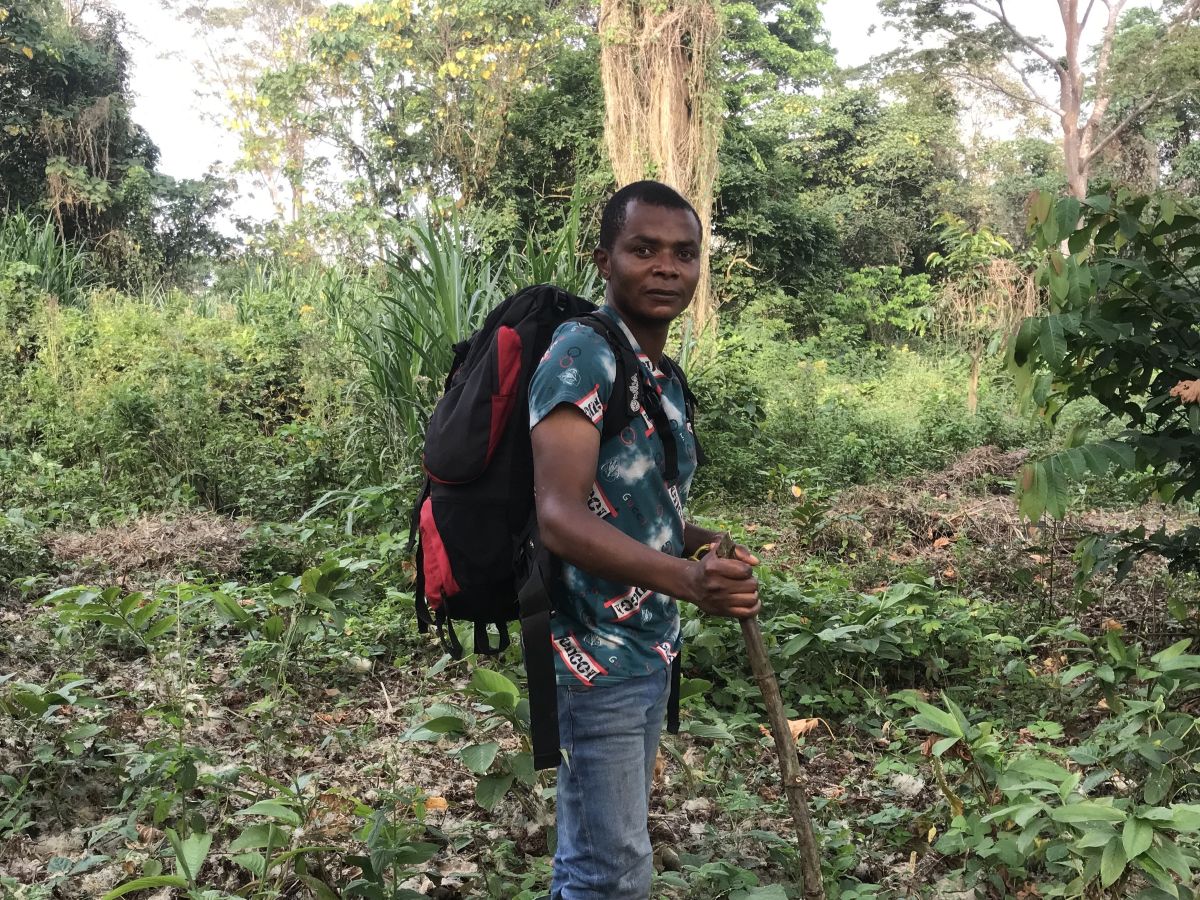
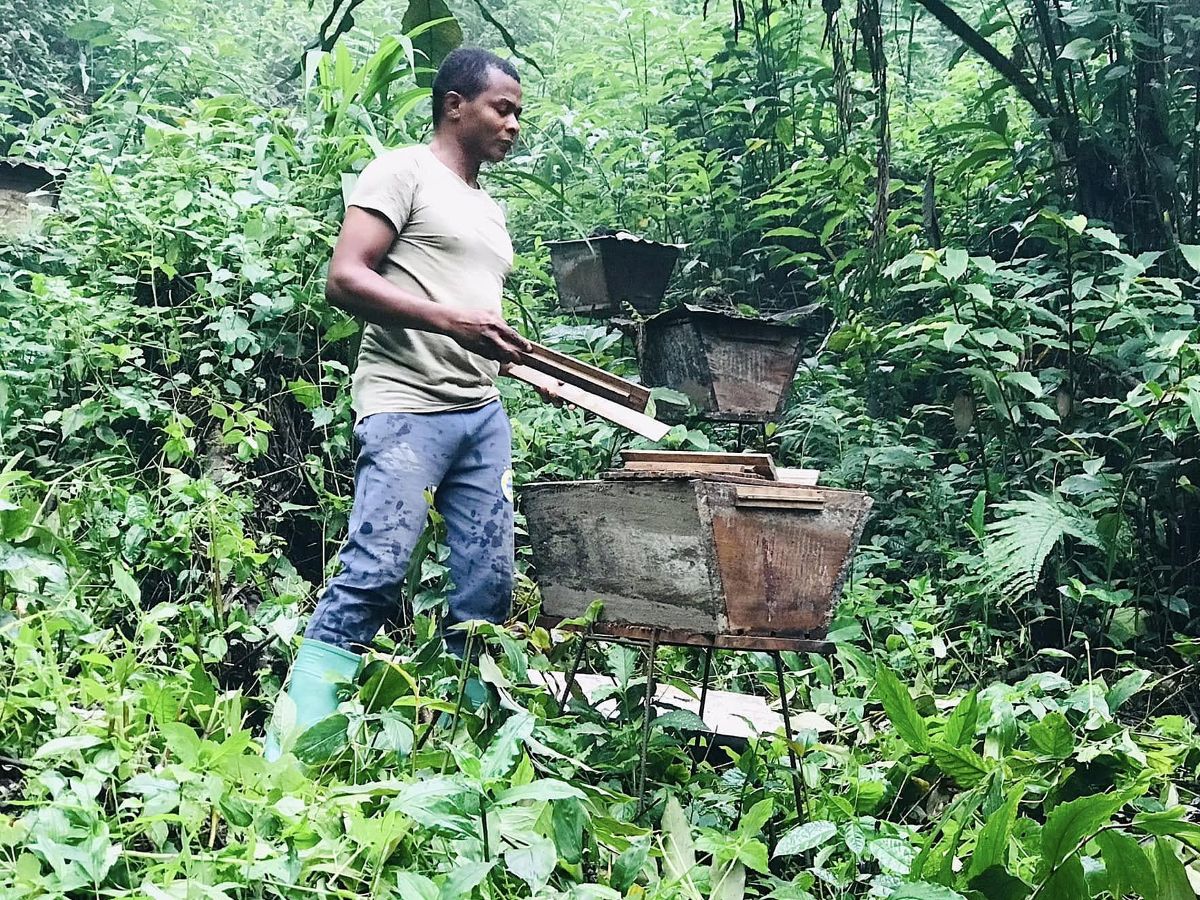
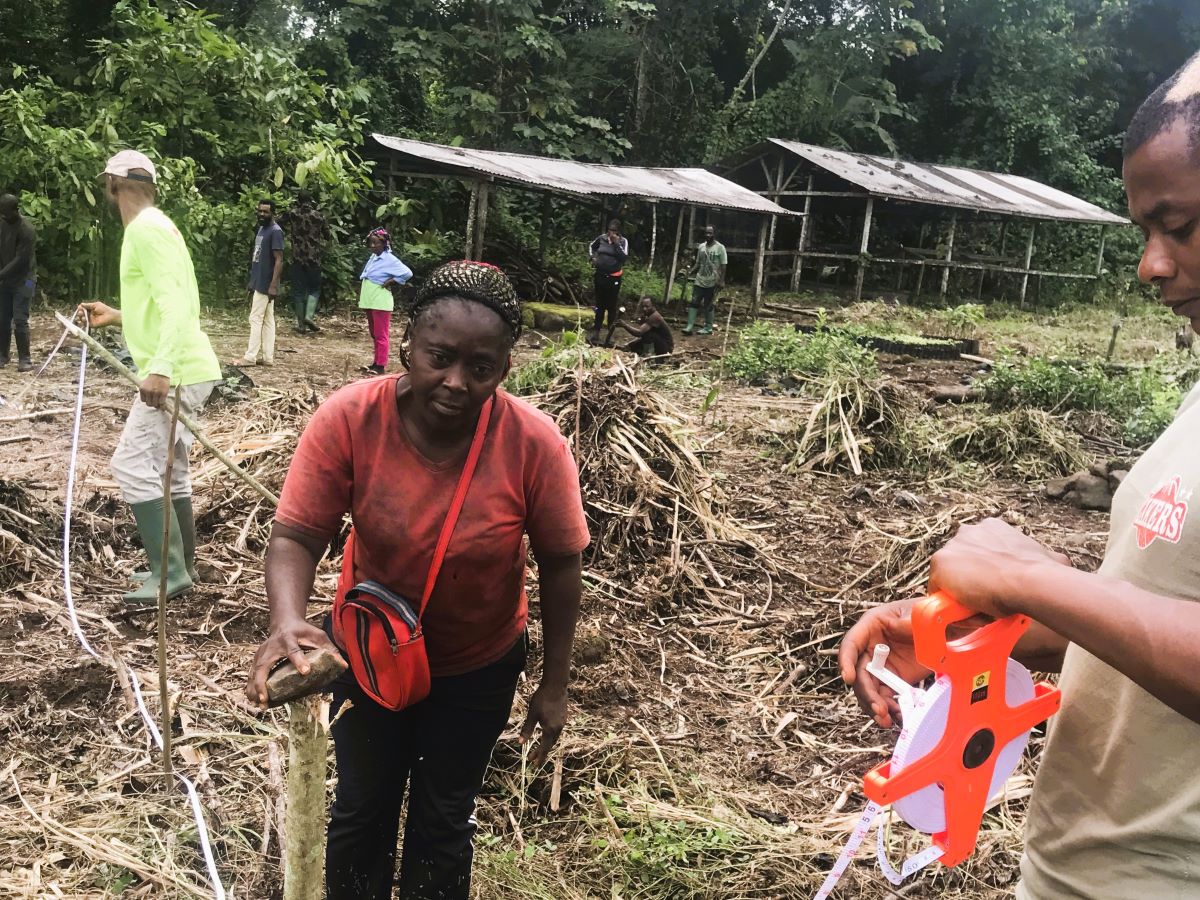
Mr. Evambe Thompson stands in an agricultural field in Mount Cameroon National Park
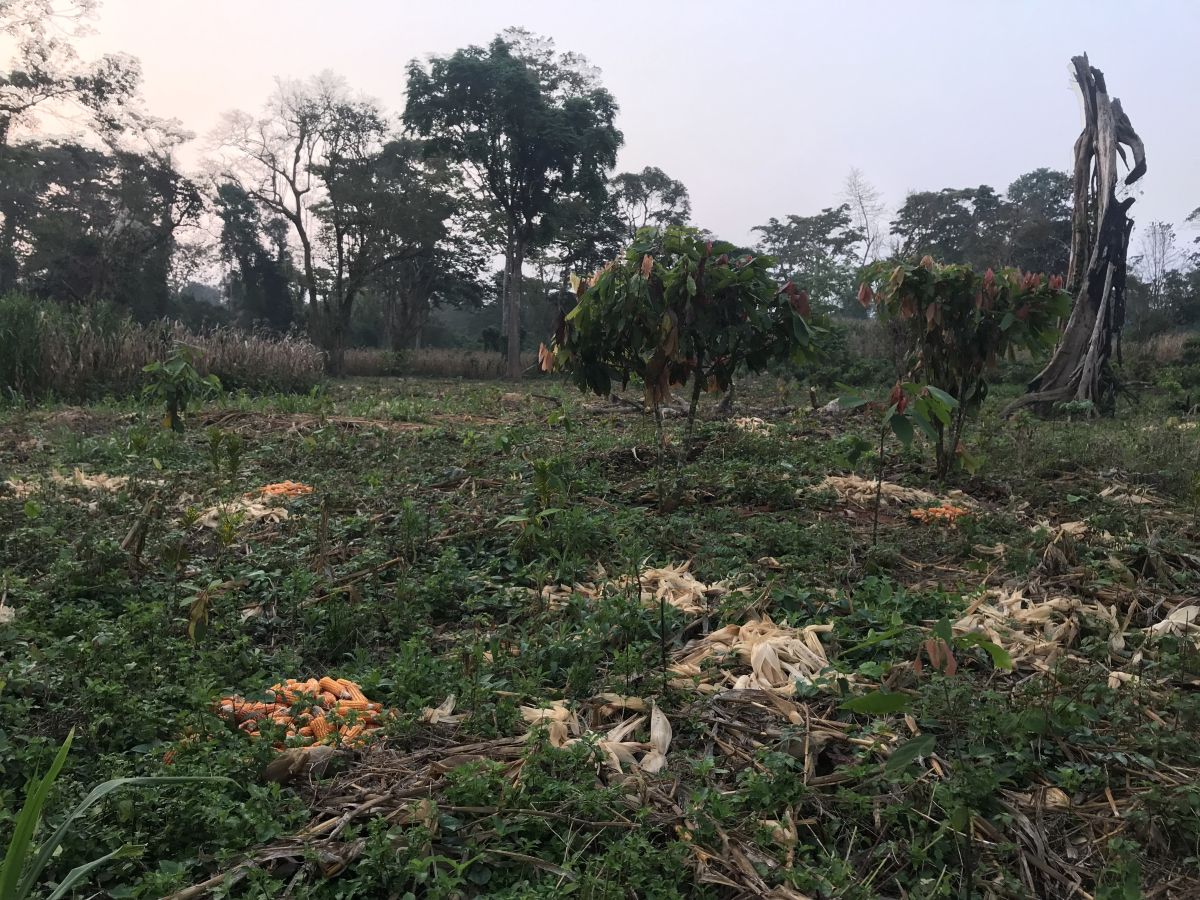
Former forest converted to agricultural land in Mount Cameroon National Park